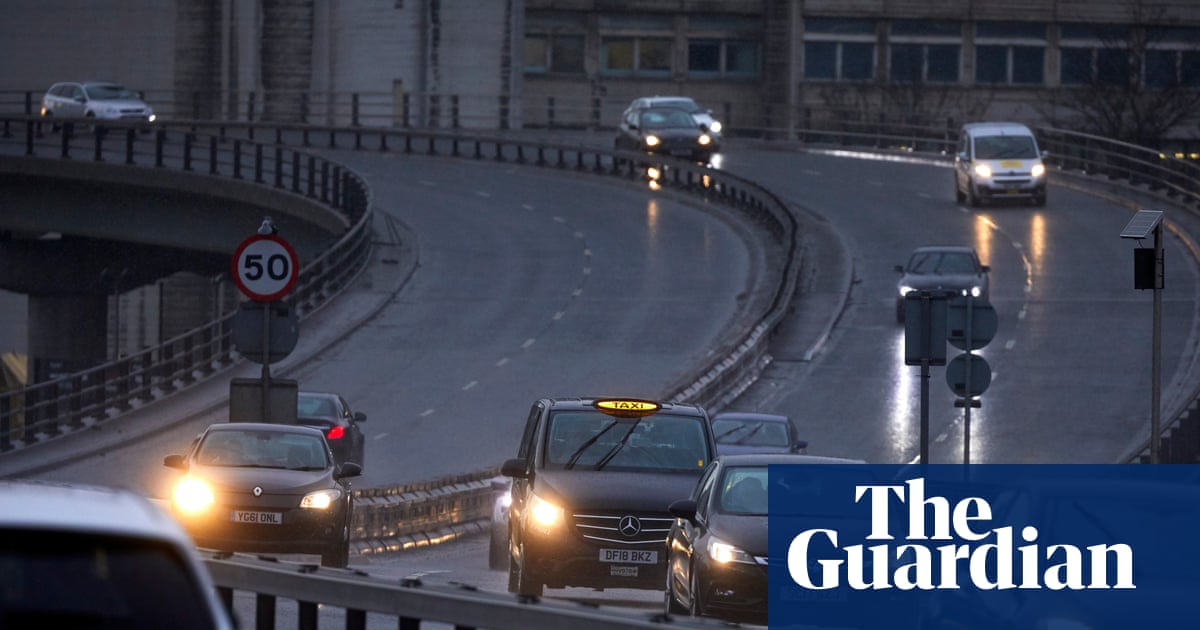
"While councils are committed to helping children entitled to support to get to school, it does not have to be a door-to-door taxi service, leading local authority figures have said. One witness suggested there was a legacy of Covid, where lots of people were in single taxis for health reasons, which they are now reluctant to give up. The committee was hearing evidence on Monday as part of a scrutiny session on the rising cost of home-to-school transport."
"Local authorities are required to provide free transport for school-age children who cannot walk to their nearest suitable school due to distance, special educational needs or disabilities (Send), or safety concerns. A recent report by the National Audit Office (NAO) found that costs in England have risen to 2.3bn a year, as increasing numbers of children with Send are forced to travel farther afield to schools that can meet their requirements. Of the 470,000 children under 16 who benefit, about 40% (180,000) have Send, but councils spend five times more on transport for Send pupils as they often have to travel further in single-occupancy taxis."
"There's a huge problem with linguistics, she said. It does not have to be home-to-school, it could be home to a bus stop, or a bus stop to here or a walking route to there We are wanting children to get to education but how that happens does not have to be a door-to-door taxi service. I think there's a level of expectation that's just built in and there's a level of over-provision that's bee"
Councils remain committed to helping entitled children reach education, but provision does not have to be door-to-door taxi services. A legacy of Covid increased single-occupancy taxi use for health reasons, and some families continue that practice. Local authorities must provide free transport for pupils who cannot walk to suitable schools due to distance, SEND, or safety. Costs in England have risen to £2.3bn annually as more SEND pupils travel farther to meet needs. Around 470,000 children benefit, roughly 40% (180,000) with SEND, and councils spend about five times more on SEND transport. Renaming to assisted travel aims to manage expectations and encourage alternatives such as travel to bus stops or walking routes.
Read at www.theguardian.com
Unable to calculate read time
Collection
[
|
...
]