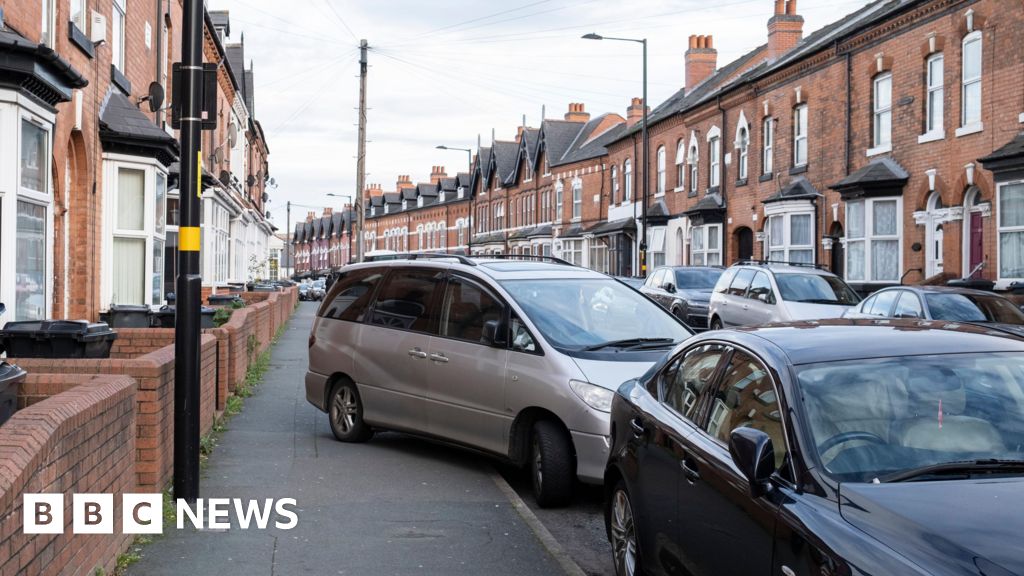
"The new powers are due to take effect later this year, alongside guidance on how the rules can be enforced in a "proportionate" way. Pavement parking is currently banned outright in London and Scotland, with councils elsewhere in England able to introduce restrictions for specific streets. The government says wider enforcement powers will make it easier for local authorities to tackle the worst examples of disruptive parking."
"Transport Minister Lilian Greenwood said "problem" pavement parking was causing issues for blind people, parents with pushchairs and those in wheelchairs, adding clear pavements were "essential for people to move around safely". Currently, police officers can fine those who cause obstruction or leave their vehicle in a dangerous position. But council enforcement officers can only fine pavement parkers who breach an on-road rule, such as parking restrictions or double yellow lines. There are separate rules for heavy goods vehicles (HGVs)."
"The government argues councils' ability to restrict pavement parking on specific streets is not a "practical tool for widespread enforcement" due to the requirement to consult local residents beforehand and put up special signs. In a policy document published on Thursday, the transport department said that it plans to give councils new powers to issue fines to those who cause "unnecessary obstruction" when parking on the pavement."
Councils across England will receive expanded powers to fine motorists who cause unnecessary obstruction by parking on pavements, with implementation expected later this year alongside guidance on proportionate enforcement. Pavement parking is already banned in London and Scotland; elsewhere councils can restrict specific streets but must consult residents and install signs, limiting widespread enforcement. Police can currently fine for obstruction or dangerous parking, while council officers can only penalise breaches of on-road rules. The government plans legal powers that would not require additional signage and officials are working on wider national, locally-applied rules. The definition of "unnecessary obstruction" remains unspecified.
Read at www.bbc.com
Unable to calculate read time
Collection
[
|
...
]