"Esperanto was conceived with high ideals in mind, envisioned as the universal second language of humanity. It remains the world's most widely spoken constructed auxiliary language."
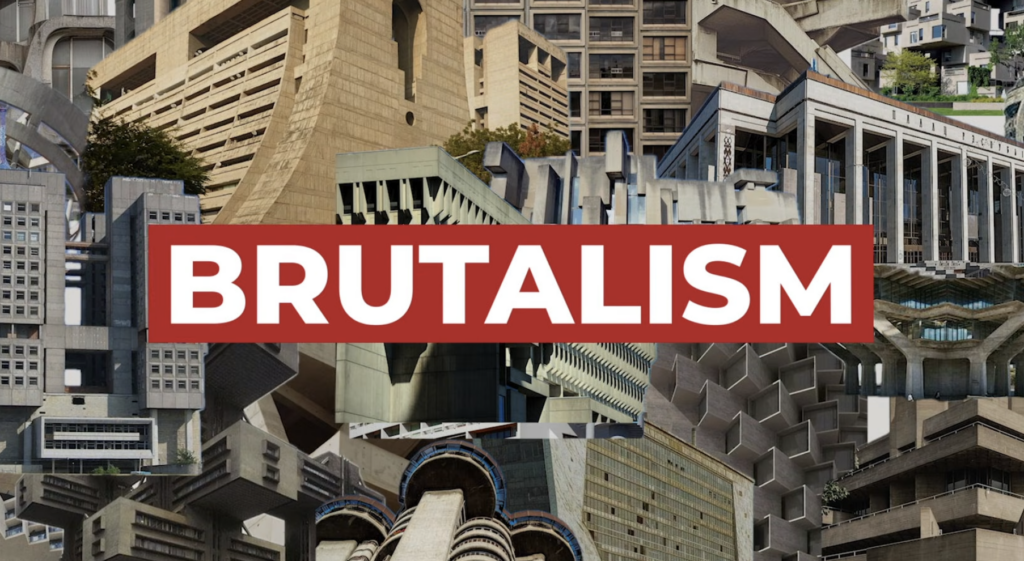
"Brutalism, named for its main material béton brut, came into its own during the rebuilding of war-ruined sections of British and continental European cities."
"The buildings of Brutalism were meant to make humanity whole again after the Second World War, but they ended up being rather more particular and less utopian."
"Structures like libraries, research facilities, and administrative buildings exemplify the Brutalist style, which was often built quickly and under less-than-extravagant budgets."
Esperanto was conceived in the 1880s by L. L. Zamenhof as a universal second language for humanity. Although it hasn't achieved universal status, it remains the most widely spoken constructed auxiliary language. The spread of Esperanto is complicated by cultural differences. Similarly, Brutalism, characterized by raw concrete, emerged to rebuild war-torn cities but resulted in structures that were more specific and less utopian than intended. Examples of Brutalist architecture include libraries, research facilities, and administrative buildings, often built quickly and economically.
Read at Open Culture
Unable to calculate read time
Collection
[
|
...
]