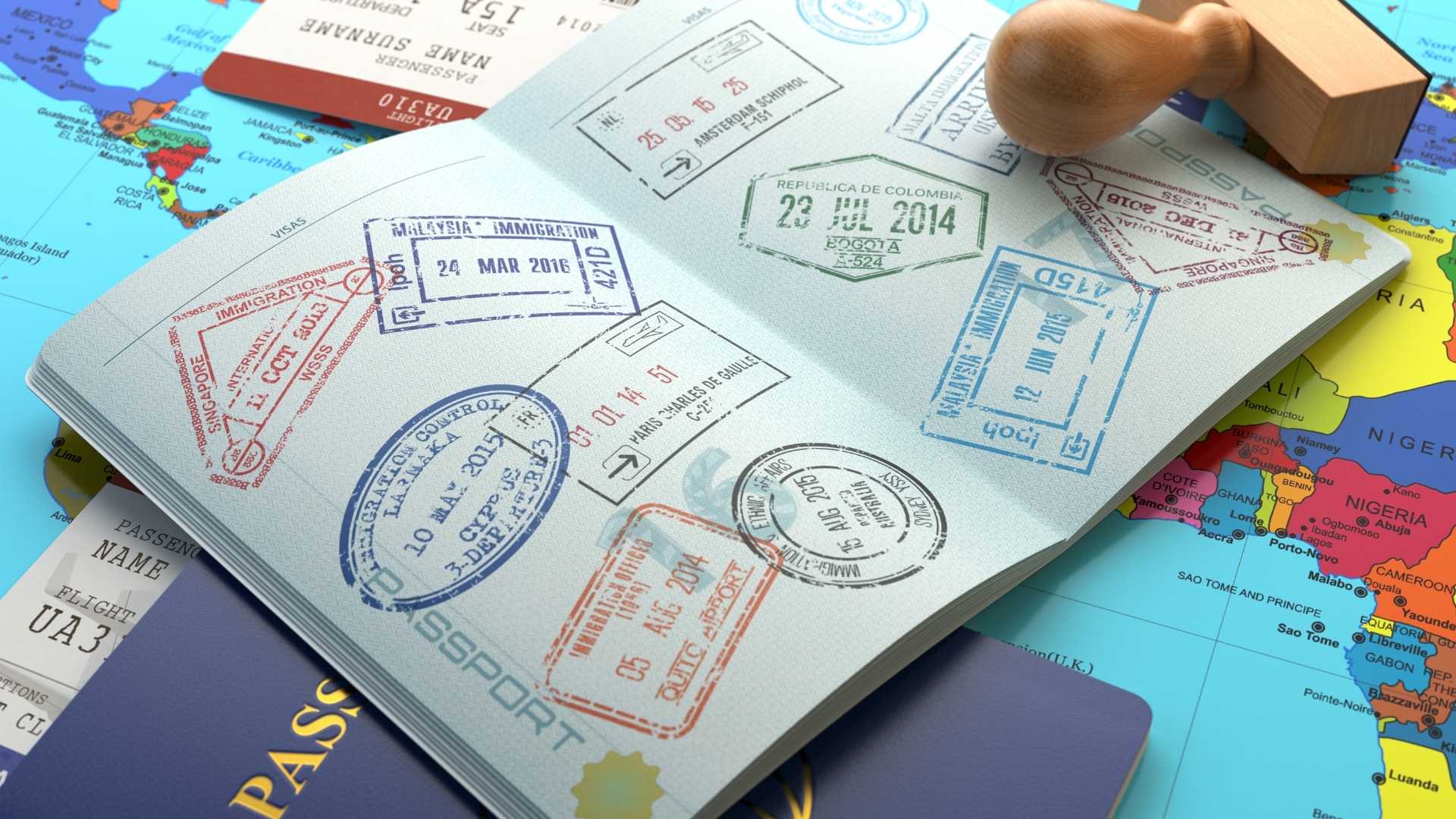
"There's a very specific kind of dread that hits travelers when they realize they've overstayed their visa. It usually shows up in stages. First comes the flicker of confusion ("Wait, what day is it?"). Then a nervous check of the passport stamp. Then a sinking feeling as the truth clarifies: you're still in the country, but your right to be there expired days-or weeks-ago."
"For some, it's a simple miscalculation. For others, it's a misunderstanding about how entry stamps work, or the assumption that a long-stay tourist visa gives more leeway than it actually does. And for a good number of digital nomads, expats, and slow travelers, overstays happen because life abroad becomes comfortable. Days blur. Travel plans shift. And suddenly, the date you thought was safely in the future is sitting right under your feet."
"The good news? An overstay is not the end of the world-and it can be fixed more gracefully than most people realize. This guide explores what actually happens when you overstay, how border and immigration officials interpret it, the different levels of consequences around the world, and most importantly: how to correct the situation calmly, respectfully, and strategically. Let's walk through the reality-not the internet horror stories-and the path forward."
"Travelers pride themselves on having plans. When you realize you've breached a rule you didn't even know was so rigid, you feel unanchored. 2. Your fear of authority Immigration officers hold immense power: they can fine you, ban you, flag your passport, or sometimes just smile and wave you through. The uncertainty is unnerving. 3. Your future freedom to travel Even a brief overstay can cause long-term complications in systems that talk to each other behind the scenes."
Overstaying a visa often unfolds in stages: initial confusion, a nervous passport-stamp check, and then the sinking realization that legal permission has expired. Causes include simple miscalculation, misunderstandings about entry stamps or visa allowances, and the creeping comfort of life abroad that blurs dates. Emotional impacts include loss of control, fear of authority, and potential long-term effects on future travel. Border and immigration officials can respond variably, from fines and bans to discretionary leniency. An overstay is frequently resolvable; responding calmly, respectfully, and strategically increases the chance of a manageable outcome.
Read at Wander With Jo
Unable to calculate read time
Collection
[
|
...
]