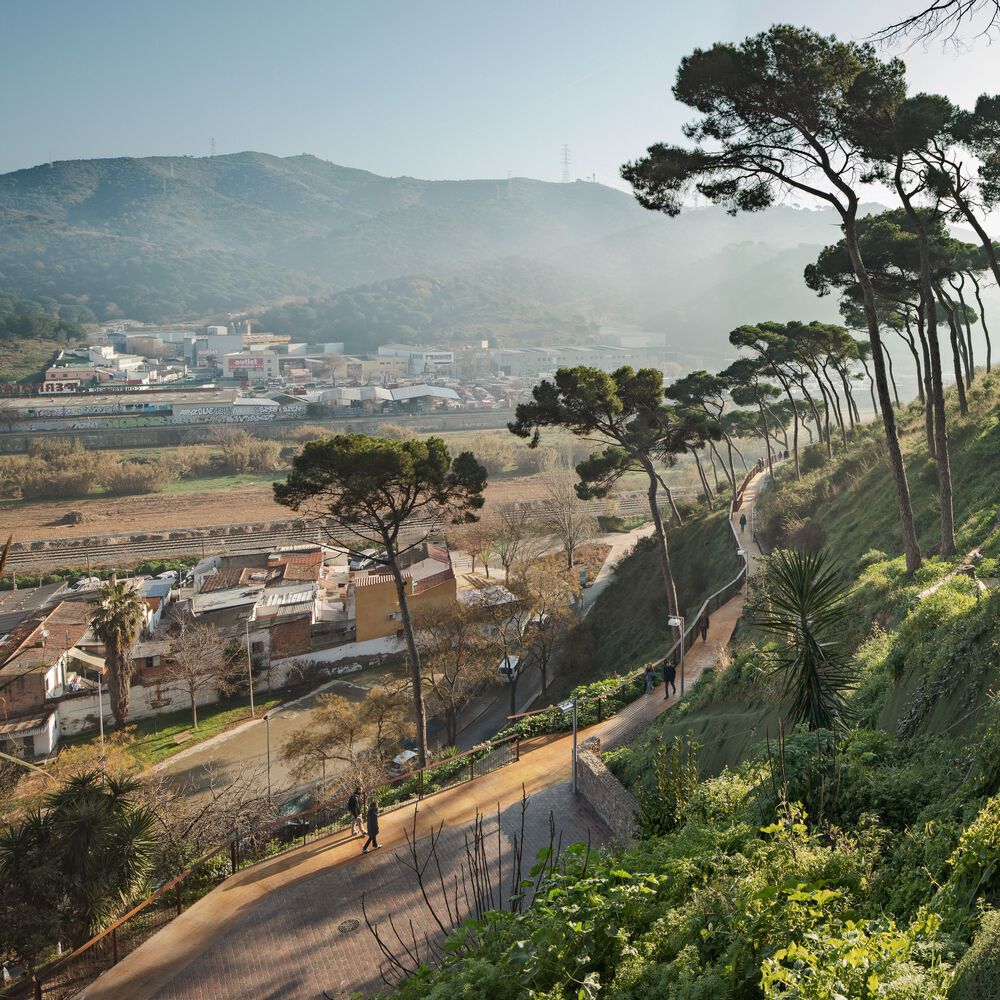
"Pilgrimage is one of the oldest and most persistent cultural practices, a spatial expression of humanity's search for meaning that has taken form across geographies and religions."
"The Camino de Santiago stands as a sustained counterargument to the condition of modern built environments, serving as a sophisticated example of design organized around the moving human body."
"Every element of the Camino's infrastructure has been tested against the body in motion, adjusted where it failed, and retained where it worked, resulting in a built environment that responds to the needs of its inhabitants."
Pilgrimage is a cultural practice representing humanity's quest for meaning, evolving to include diverse interpretations of the sacred. The Camino de Santiago exemplifies this evolution, serving as a network of routes leading to Santiago de Compostela. This infrastructure, developed over centuries, includes hostels, waymarkers, and civic spaces, all designed for human movement. Its remarkable precision and adaptability enhance the experience of pilgrims, demonstrating how built environments can effectively respond to the needs of those who traverse them.
Read at ArchDaily
Unable to calculate read time
Collection
[
|
...
]