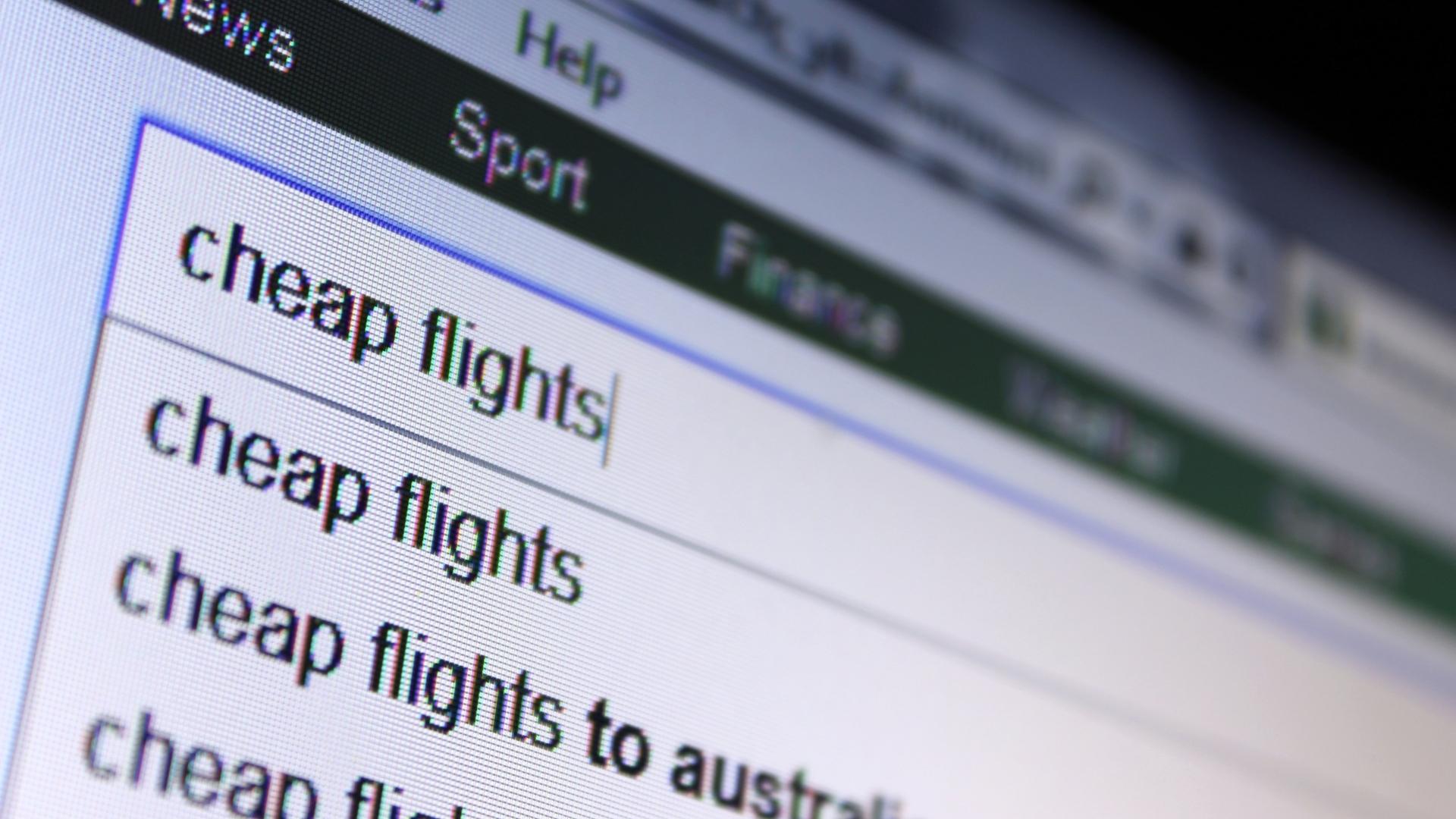
"If you travel enough, it happens. You're browsing flights, feeling savvy and then you see a price that defies logic. A one-way ticket costs more than a return. A longer route is somehow cheaper. The same flight costs far less if you start in another city. It's confusing until you understand one thing: Airline pricing is not logical. It's psychological."
"They price based on: regional demand consumer behavior competition historical data psychological thresholds market segmentation Put simply: Flights are cheaper in markets where people expect cheap flights. And they're more expensive in markets where airlines know passengers will pay more. When you reverse a round-trip search, you temporarily borrow the cheaper market's pricing logic and it shows you a fare meant for someone who lives in that cheaper region."
Airlines set fares by market characteristics and consumer behavior rather than distance or fairness. Markets with expectations of low fares get discounted pricing while high-paying markets see higher prices. Searching round-trip itineraries in reverse (Destination → Home → Destination) can surface fares intended for cheaper local markets, producing substantial savings, often 30–40% or more. Travelers should verify fare rules, taxes, baggage allowances, and itinerary origin/destination before booking. Confirm that the ticketed origin matches travel plans and avoid skipping segments that would cancel remaining flights. Booking directly with carriers or reputable agents reduces risk and clarifies restrictions.
Read at www.wanderwithjo.com
Unable to calculate read time
Collection
[
|
...
]