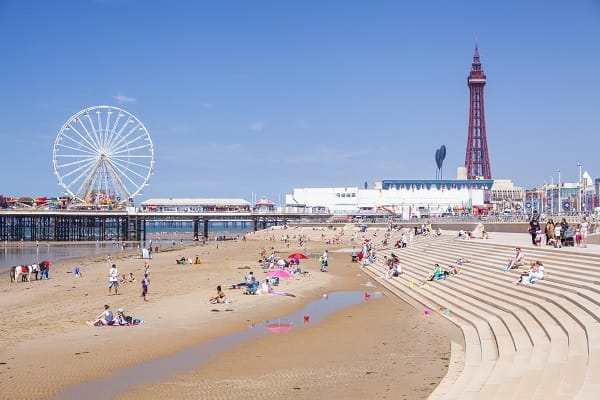
"The British seaside holiday used to follow a strict calendar. Coastal towns in Cornwall, Devon and Norfolk saw a huge influx of tourists in July and August, followed by boarded-up shops and empty guest houses during the winter months. Things changed over the last few years as domestic travel patterns shifted permanently."
"Domestic holidaymakers now travel throughout the year, which has forced local businesses to change how they operate. Property owners and hospitality brands had to adapt to this constant demand by upgrading their facilities and changing their marketing strategies. This new demand changed how accommodation is booked and managed."
"Holidaymakers look for high-quality, independent properties that offer a home-from-home experience instead of traditional hotels. Many Britons today use specialist platforms like Beach Stays to find curated properties that match their needs. This shift benefits local economies because visitors spend money in pubs, restaurants and shops during months that used to be completely quiet."
"Several factors explain why people choose to visit the coast during the colder months. Remote work gives employees more flexibility to travel outside standard holiday windows. It's worth pointing out that a long weekend by the sea is now a realistic option for people who can work from a laptop. Furthermore, the quality of British coastal accommodation has improved significantly."
British seaside holidays once followed a strict summer calendar, with large tourist numbers in July and August and quiet, boarded-up periods in winter across coastal towns. Recent shifts in domestic travel patterns have made year-round visits more common, changing how accommodation is booked and managed. Holidaymakers increasingly seek high-quality independent properties that feel like a home rather than traditional hotels. Specialist platforms curate these stays, helping visitors spend in local pubs, restaurants, and shops during previously slow months. Towns such as St Ives and Burnham Market keep businesses open longer, supporting stable jobs and stronger communities. Winter tourism is driven by remote work flexibility and improved accommodation features like central heating, wood burners, and hot tubs.
#year-round-tourism #british-seaside-holidays #domestic-travel #hospitality-and-accommodation #remote-work
Read at London Business News | Londonlovesbusiness.com
Unable to calculate read time
Collection
[
|
...
]