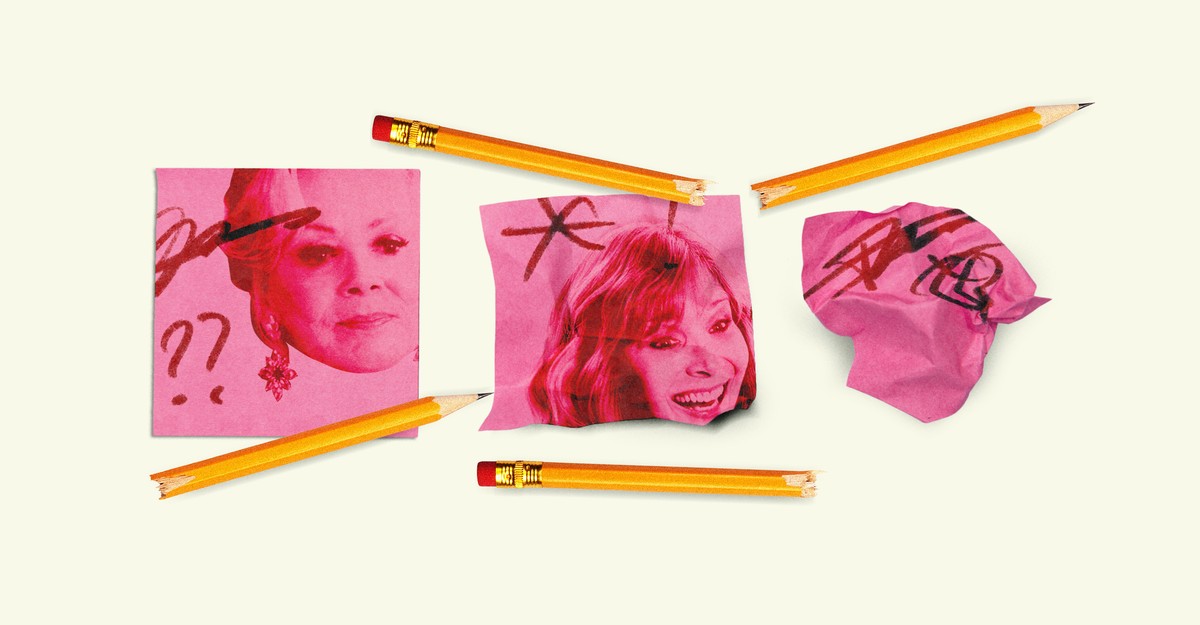
"So when they're offered lucrative deals involving generative AI, Valerie and Deborah are receptive. Their instinct to look out for themselves means that neither is particularly moved by pleas from those around her to save writers' jobs. Instead, they discover a consequence of the technology that surprises them both: AI may offer shortcuts, but it also eliminates the human collaboration that helps them produce their best possible work."
"Hollywood, no stranger to existential crises, is finding itself torn on the rise of generative AI. Supporters of the technology argue that it's the cost-saving future of show business, but opponents say that it could be the end of true creativity. As the debate over AI use rages on in the real world, the fictionalized entertainment industries of Hacks and The Comeback are similarly preoccupied."
"On The Comeback, the flailing sitcom actress Valerie Cherish (played by Lisa Kudrow) is accustomed to sacrificing her dignity for the spotlight. On Hacks, Deborah Vance (Jean Smart), a caustic comedian, will happily sell her stories and likeness in exchange for mountains of cash. So when they're offered lucrative deals involving generative AI, Valerie and Deborah are receptive."
"In their final seasons, the critique extends to AI's temptations and shortcomings, ultimately making the case for the inefficient art of comedy. The Comeback's blunt depiction of Hollywood neuroses has been ahead of the curve since its 2005 debut. Its first season follows Valerie as she films her own reality show, anticipating the boom of Real Housewives-esque series becoming some of TV's juiciest dramas."
Generative AI is creating conflict in entertainment, with supporters emphasizing cost savings and opponents warning it could end genuine creativity. Two self-aware comedies, Hacks and The Comeback, mirror Hollywood’s anxieties through women trying to maintain relevance before their opportunities expire. Valerie Cherish and Deborah Vance accept lucrative generative AI deals that trade their stories and likeness for money. Their self-protective instincts lead them to overlook pleas to protect writers’ jobs. They then encounter a key consequence: AI reduces or removes the human collaboration that supports their strongest work, reinforcing the value of inefficient, human-driven comedy.
Read at The Atlantic
Unable to calculate read time
Collection
[
|
...
]