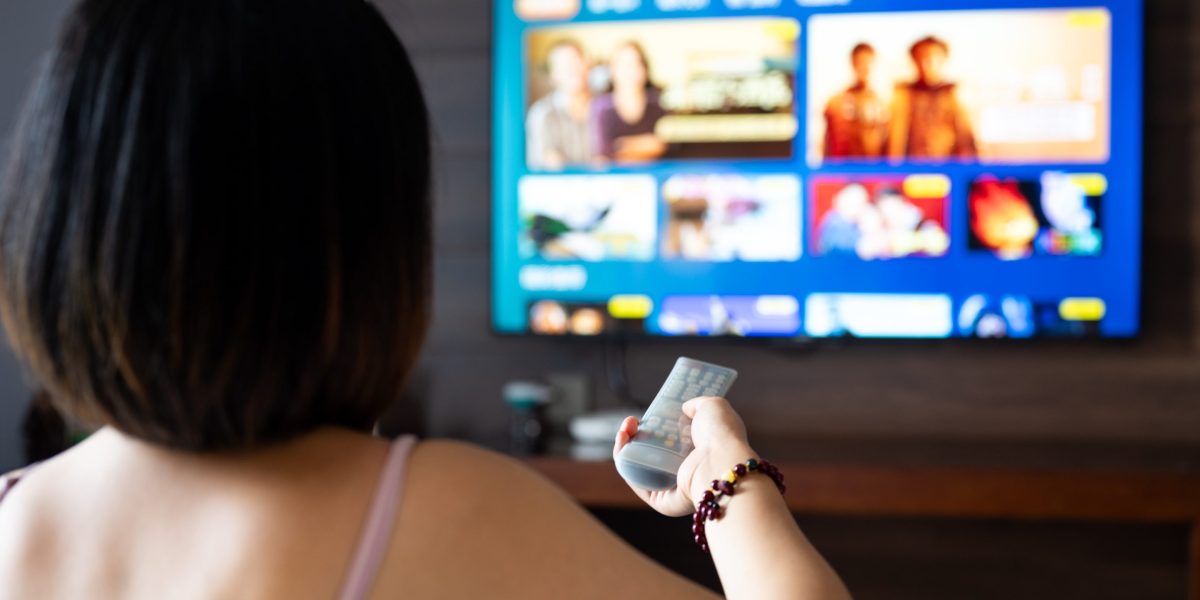
"What we now call television is an experience that adapts to the viewer. It's about how, when, and where we connect to content across moments, moods, and devices. Television is the moment we decide to be carried by a story: comfort, curiosity, escape, connection. That moment can happen on a couch, in an Uber, in the kitchen, or between meetings-across any screen, any length, any format."
"At MySpace, we signed what looked like a genius deal: Google guaranteed roughly $900 million over three years to serve ads on the Myspace platform. Wall Street applauded. Users did not. The interface and pages got cluttered, load times slowed, and the very vibe that made MySpace culturally dominant began to erode. When Facebook arrived with a cleaner, more intuitive design, people didn't debate the switch. They simply left."
Television has shifted from scheduled, long-form linear broadcast to an adaptive experience that follows viewers across devices, moments, moods, and formats. Viewers seek content for comfort, curiosity, escape, or connection in varied contexts such as couches, cars, kitchens, or brief between-meeting moments. Digital success requires treating product experience as the core strategy rather than relying on declarative plans or short-term monetization. Prioritizing ad deals and cluttered interfaces can degrade load times, cultural vibe, and user engagement. Users express preference through behavior, and lost relevance cannot be recovered simply through litigation or business deals.
Read at Fortune
Unable to calculate read time
Collection
[
|
...
]