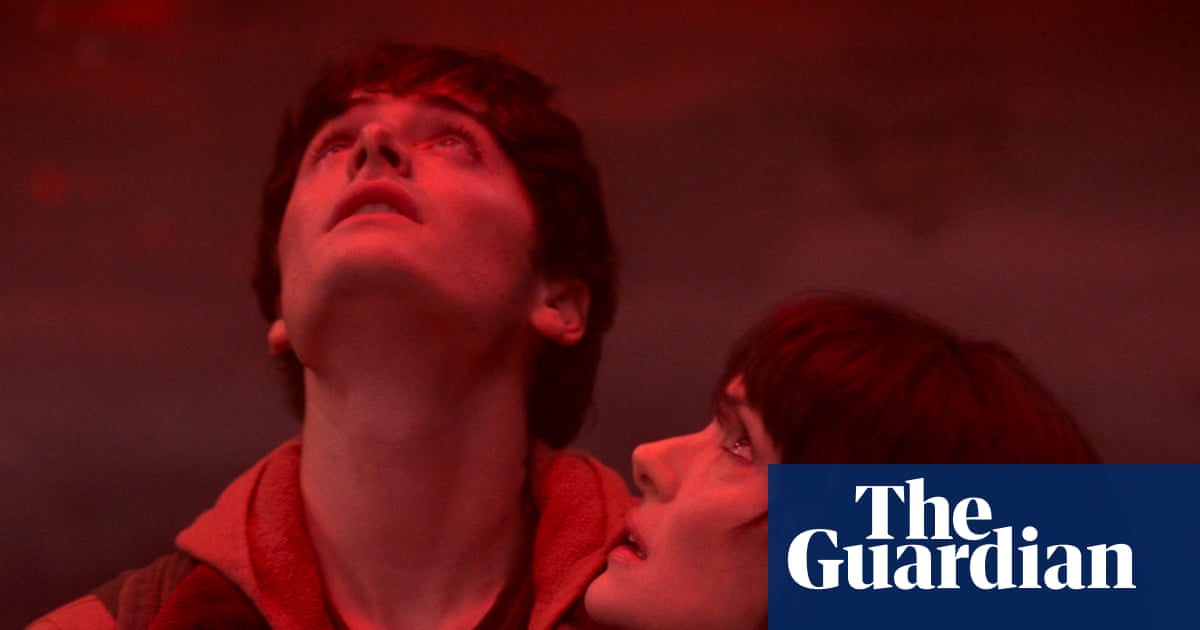
"I was not remotely disappointed, however. I thought the show ended perfectly: when I stopped watching it after season one, episode eight. I'm going to come out and say it, so that we can start fighting straight away. I believe that almost all recent TV shows should have been one season long. Stranger Things had a perfect eight-episode arc: a little boy disappeared into a hellish parallel dimension and his mum (who was Winona Ryder!) fought tooth and nail to bring him back."
"The show's creators, the Duffer Brothers, seemingly knew this, as they originally pitched the series as an anthology featuring a different cast of characters each season. Netflix, naturally, said no after all, you need a franchise with familiar faces if you want to sell customisable Stranger Things terrariums at two for 30. And so by the end, the show was stretched out beyond recognition and stripped of everything that made it groundbreaking and original. By all accounts, Ryder was left with nothing to do."
Fans remain angry about the Stranger Things finale nearly two months after it aired, prompting the cast to deny rumors of a secret final episode. The show achieved a perfect eight-episode arc in season one, centered on a missing boy, his mother's desperate rescue, and a hellish parallel dimension. The creators originally pitched the series as an anthology with new casts each season, but Netflix pushed for a continuing franchise, enabling merchandising and extended seasons. That expansion stretched the series, diluted originality, left key performers underused, and exemplifies a broader trend where several recent shows would have been stronger as single-season stories.
Read at www.theguardian.com
Unable to calculate read time
Collection
[
|
...
]