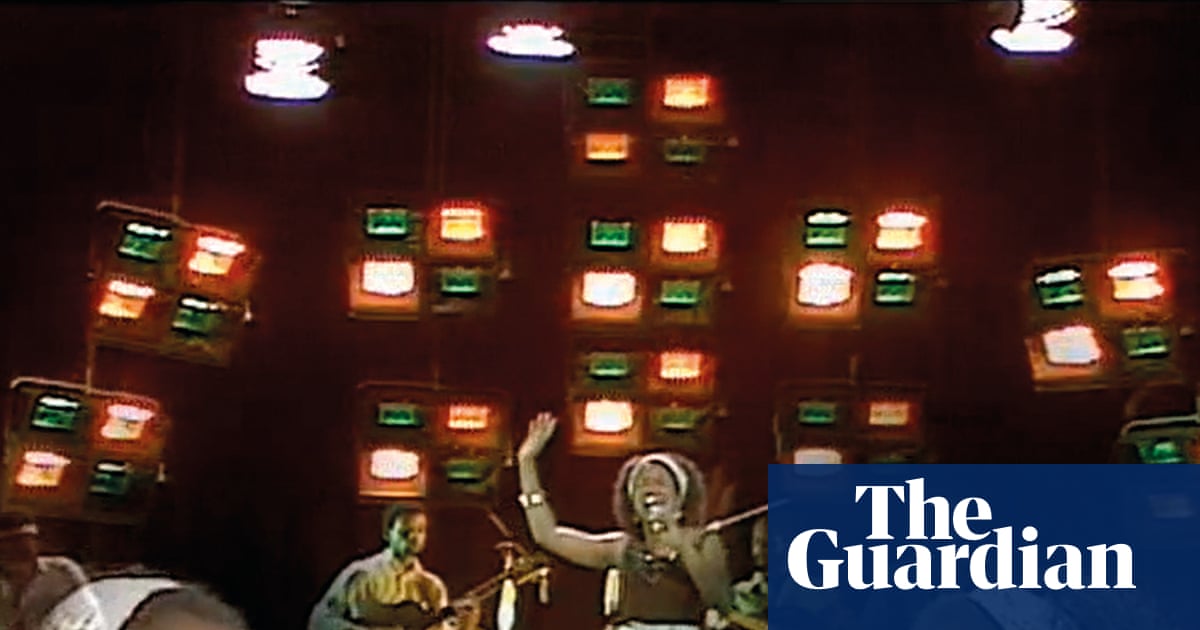
"For the next 13 years, he was part of a radical wave of British TV that funded and supported ethnic minority storytelling in a way that hadn't been seen before or since. A new season at the British Film Institute in London, called Constructed, Told, Spoken, will explore this counter-history, screening archival episodes that tell the forgotten story of British multi-ethnic programming."
"Until the early 1980s, such shows had spoken to audiences of colour without collaborating closely with them. BBC Hindi programmes included Nai Zindagi Naya Jeevan (A New Life, a New Existence) and Apna Hi Ghar Samajhiye (Make Yourself at Home), which focused on assimilation into British life after postwar migration. They were extremely patronising, Dhondy says, citing programmes that, for example, instructed Asian women not to barter at supermarket counters."
Farrukh Dhondy, an Indian-born writer, accepted Channel 4's commissioning editor role in 1984 and served for 13 years. Channel 4 funded and supported ethnic minority storytelling on an unprecedented scale. The British Film Institute season Constructed, Told, Spoken will screen archival episodes that reveal this counter-history of British multi-ethnic programming. Prior to the 1980s, BBC and ITV programmes often addressed audiences of colour without genuine collaboration, focusing on assimilation and issuing patronising guidance. BBC Hindi shows promoted assimilation into British life, while sitcoms such as Love Thy Neighbour and Mind Your Language mocked Caribbean and South Asian accents and cultures.
Read at www.theguardian.com
Unable to calculate read time
Collection
[
|
...
]