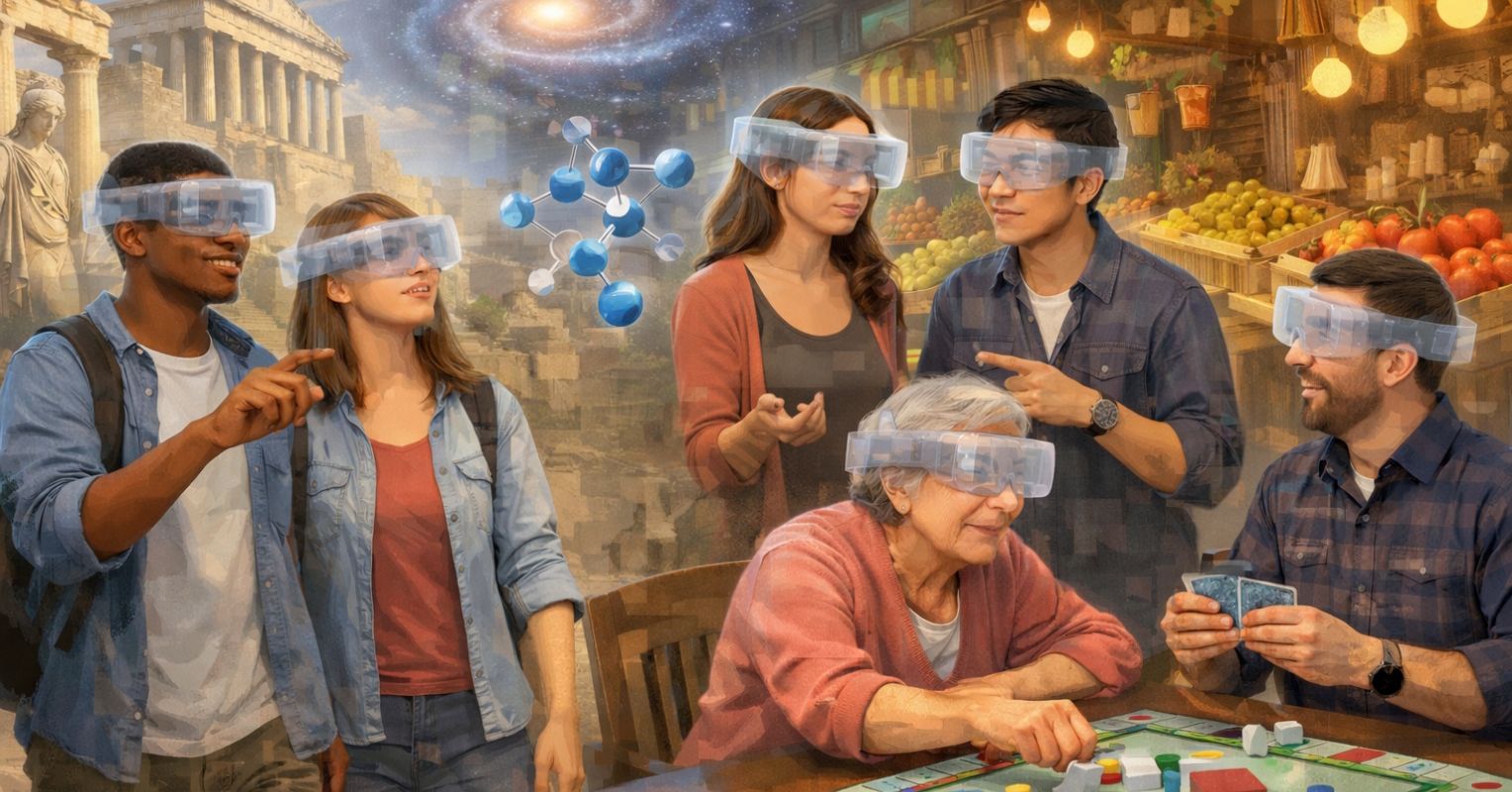
"To many, the metaverse is a childish-looking virtual world where Mark Zuckerberg invites us to socialize as clumsy, lifeless avatars. Few accepted the invitation. Now that Meta is scaling back several of its metaverse initiatives, commentators across the internet are closing this chapter with a cheerful mix of mischief over the company's multi-billion-dollar losses and genuine bewilderment about how such a bizarre idea ever made it onto the agenda of an otherwise successful corporation."
"Unlike widely enjoyed online games such as Fortnite or Roblox - which provide fun game mechanics and opportunities for creative exploration - the metaverse mostly offered the chance to, well, stand somewhere and look around. The idea that we would attend concerts through such applications betrays a misunderstanding of why people go to concerts in the first place, as the metaverse conveys little of the energy and shared excitement that such physical gatherings can generate."
The metaverse promised a new social world but did not offer compelling everyday use cases for ordinary people. Unlike popular games that provide fun mechanics and creative exploration, the metaverse often left users standing and looking around. Attempts to replicate events such as concerts failed to capture the energy and shared excitement of physical gatherings. Social interactions reproduced spatial layouts but lacked basic social signals like eye gaze and facial expressions, producing lifeless avatars. The metaverse was framed as technically sophisticated yet socially useless, though the underlying technology has continued to advance toward more practical, natural VR interactions.
Read at Psychology Today
Unable to calculate read time
Collection
[
|
...
]