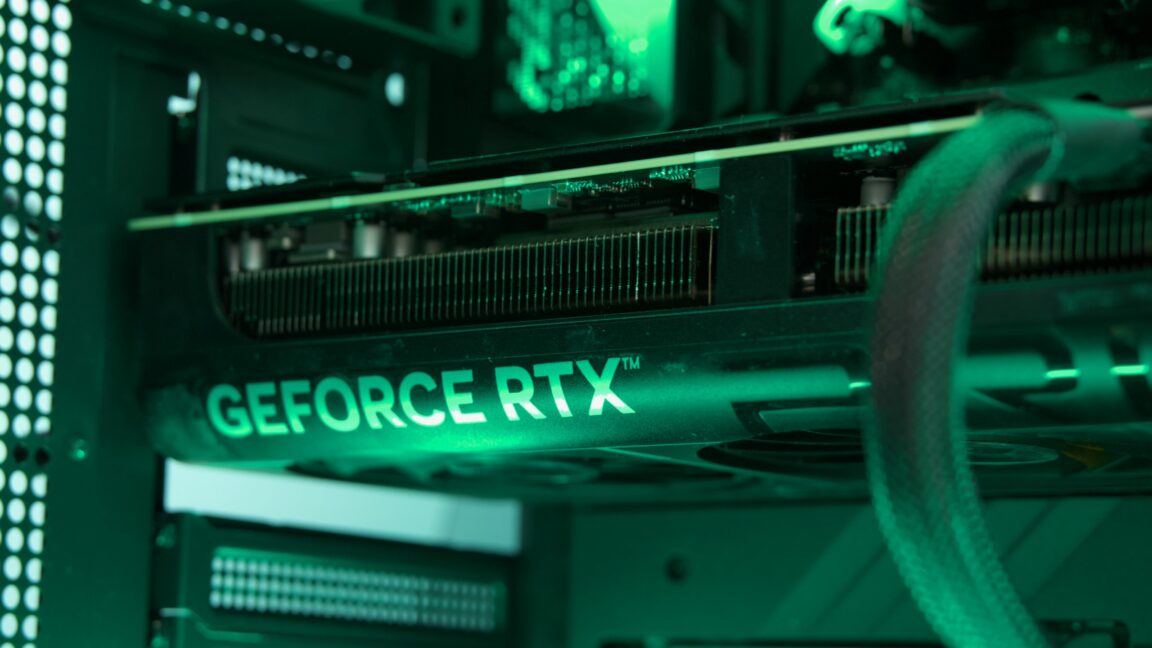
AI-driven demand for memory produced a severe RAM shortage that pushed direct-to-consumer RAM kit prices up 300–400% by late 2025 and caused noticeable SSD price increases. The remainder of 2026 will hinge on how those supply shocks propagate into computers, phones, and other devices that rely on RAM and NAND, despite existing inventories and long-term contracts buffering some impacts. The RAM crunch has begun affecting GPUs: Asus briefly announced discontinuing the GeForce RTX 5070 Ti. Manufacturers face incentives to reallocate limited GDDR7 modules to higher-margin cards like the RTX 5080, since identical chips and 16GB RAM can yield greater revenue per unit.
"The 5070 Ti uses 16GB of GDDR7, plus a partially disabled version of Nvidia's GB203 GPU silicon. This is the same chip and the same amount of RAM used in the higher-end RTX 5080-the thinking goes, why continue to build a graphics card with an MSRP of $749 when the same basic parts could go to a card with a $999 MSRP instead?"
"Big Tech's AI-fueled memory shortage is set to be the PC industry's defining story for 2026 and beyond. Standalone, direct-to-consumer RAM kits were some of the first products to feel the bite, with prices spiking by 300 or 400 percent by the end of 2025; prices for SSDs had also increased noticeably, albeit more modestly. The rest of 2026 is going to be all about where, how, and to what extent those price spikes flow downstream"
Read at Ars Technica
Unable to calculate read time
Collection
[
|
...
]