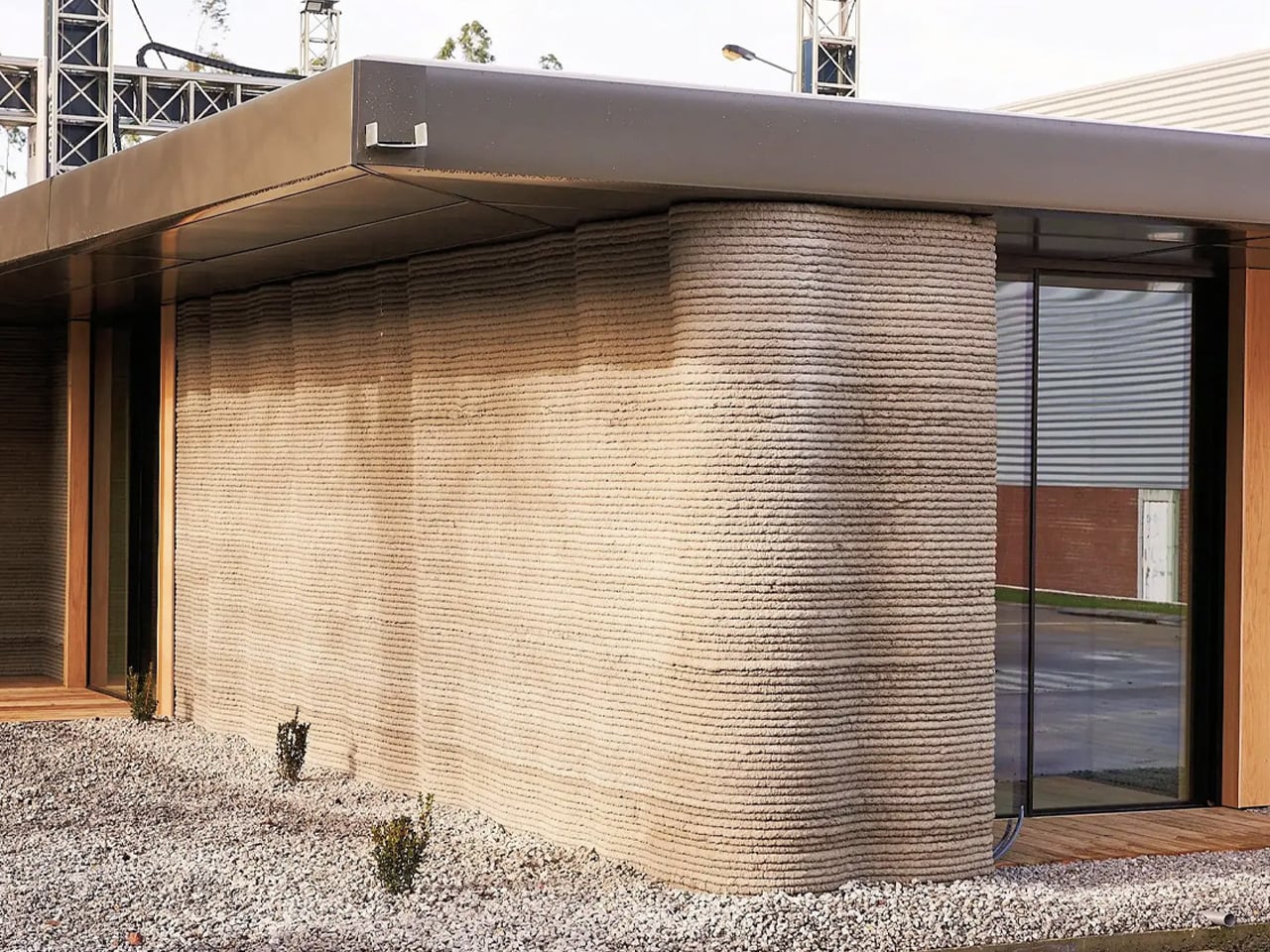
"Traditional construction is often marked by inefficiencies like material waste, labor intensity, and long project timelines that push up the final cost per square foot. In contrast, 3D printing, or Additive Manufacturing in Construction (AMC), introduces a fundamentally different approach, shifting from subtractive to additive building processes. Its central ambition is to make housing more accessible by lowering material and labor costs while enabling faster delivery of structurally sound, architecturally considered homes."
"A key challenge in 3D-printed construction is ensuring the reliability and durability of printable materials. Although current cement-based mixes offer rapid curing and high compressive strength, questions remain around their long-term tensile performance, response to diverse climatic conditions, and compatibility with conventional finishes such as plaster layers or vapor barriers. These factors are still under close technical evaluation. Equally critical is the return on investment measured through longevity."
Traditional construction suffers material waste, high labor intensity, and long timelines that raise cost per square foot. Additive Manufacturing in Construction (AMC) replaces subtractive methods with layer-by-layer building to lower material and labor costs and speed delivery of structurally sound, architecturally considered homes. AMC reduces construction waste and provides design flexibility. Key challenges include printable-material reliability, long-term tensile performance, climatic response, and finish compatibility, as well as regulatory barriers and effects on skilled labor. Longevity and return on investment require parity with reinforced concrete. Sustainable advances will rely on geopolymers and locally sourced, recyclable aggregates. Two VeroVistas homes in Buena Vista, Colorado demonstrate large-scale 3D concrete printing.
Read at Yanko Design - Modern Industrial Design News
Unable to calculate read time
Collection
[
|
...
]