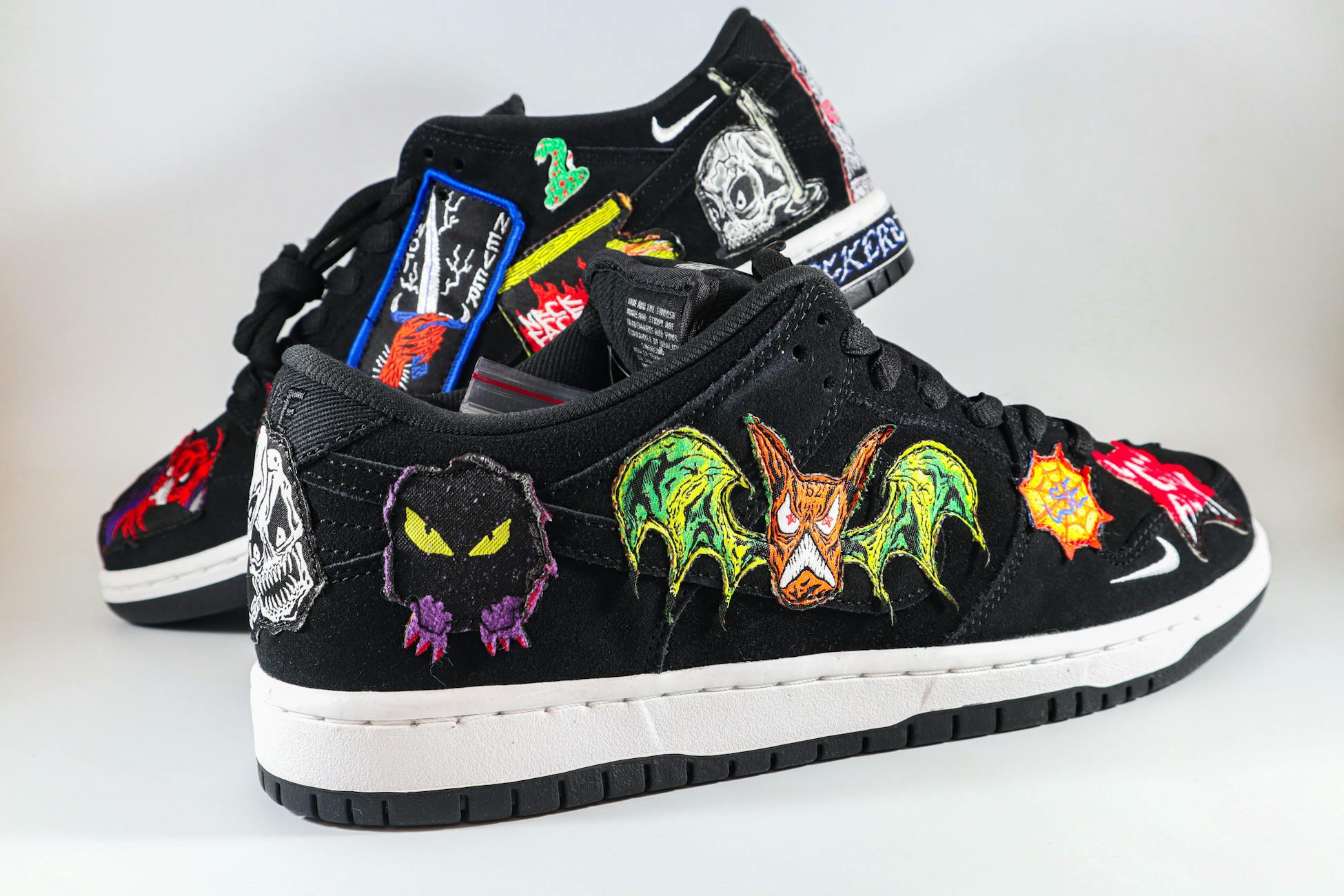
"I remember standing in a boutique in San Francisco, sliding my credit card across the counter for a pair of $400 sneakers I absolutely could not afford. My second startup had just folded-eighteen months of burning through investor money, eighteen months of watching something I built crumble in slow motion-and I was drowning in debt. But there I was, walking out with a shopping bag and a receipt that made my stomach turn, telling myself this was an investment in how people perceived me."
"There's a term psychologists use for what I was doing: compensatory consumption. It's the idea that when we feel a threat to our self-concept-our identity, our status, our sense of competence-we try to restore it through purchasing things that signal the version of ourselves we want to project. Research published in the Journal of Consumer Research has shown that people who experience threats to their sense of self are significantly more likely to purchase status-signaling goods, even when it's financially irrational."
After a startup failure and mounting debt, the narrator purchased luxury items to project success and mask insecurity. Repeated purchases of designer shoes, an expensive watch, and gadgets created a showroom-like closet and a ruined bank account. Psychologists call this compensatory consumption: buying status-signaling goods to restore a threatened sense of self, identity, or competence. Research in the Journal of Consumer Research links threats to self-concept with increased likelihood of purchasing such goods even when financially irrational. The purchases aimed to buy visibility and the illusion of competence rather than genuine recovery of identity.
Read at Silicon Canals
Unable to calculate read time
Collection
[
|
...
]