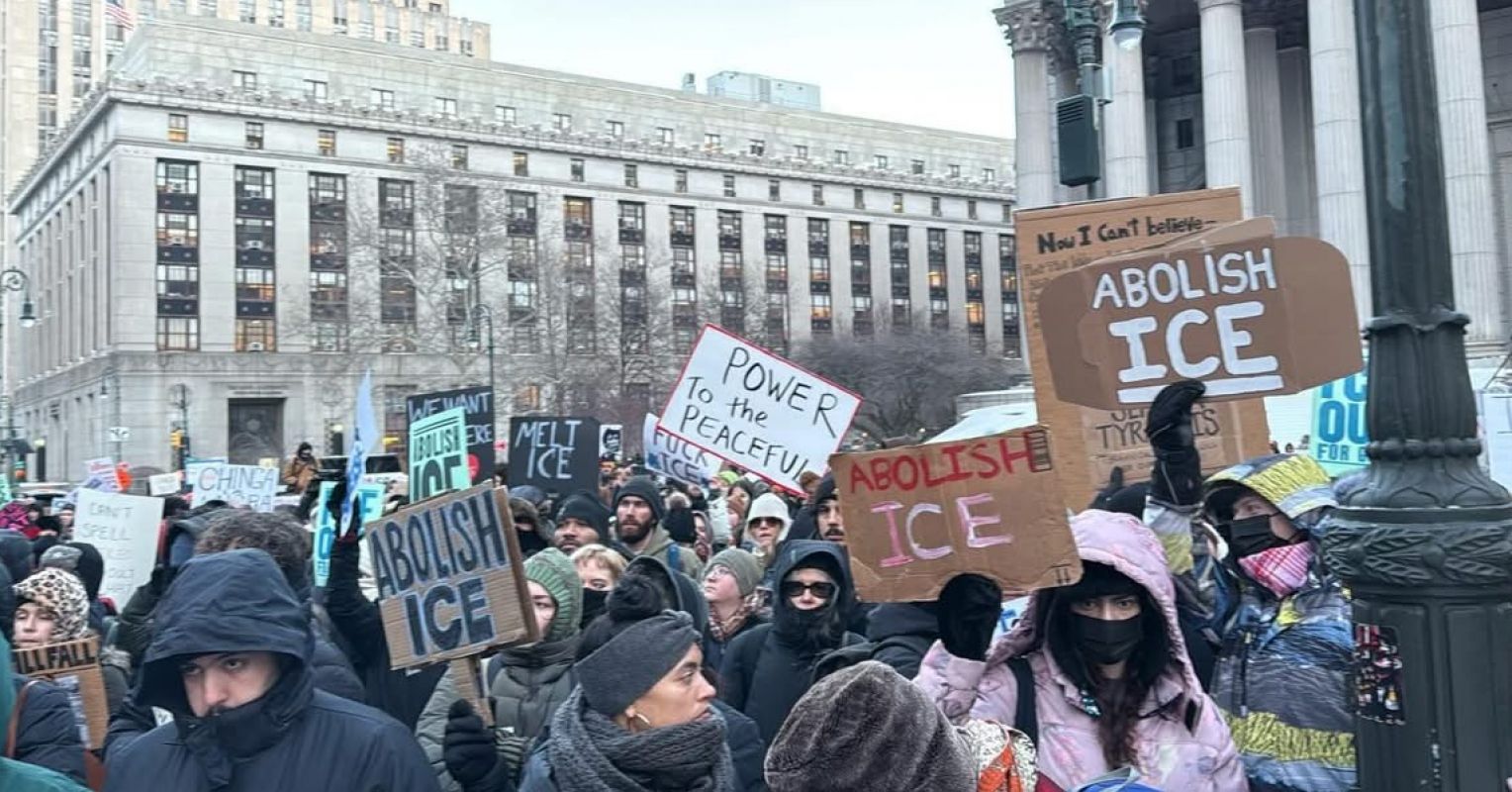
"Boycotting is a form of collective action in which people intentionally choose not to support a company, institution, or system because it causes harm. For adults, boycotts are often tied to politics, capitalism, and historical trauma. For children, however, the conversation does not need to begin there. In fact, starting with politics often misses what kids understand best. Start With Humanity and Fairness"
"Before explaining what a boycott is, parents must discuss values. Children of all ages can be empathetic and understand that every person deserves safety, dignity, and care. They understand that hurting people, treating them unfairly, or making others feel bad is wrong. Accordingly, justice becomes personal rather than abstract, and political actions become easier to explain as moral choices rooted in care for others."
Community organizers called for a nationwide strike on January 30, 2026, in response to federal immigration policies, violent ICE tactics, and several murders. Many parents want children to care about fairness, justice, and the well-being of others but struggle to explain complex social and political issues in age-appropriate, honest ways. Boycotting is defined as collective action by intentionally withholding support from harmful companies, institutions, or systems. Conversations with children work best when rooted in values such as safety, dignity, empathy, and fairness. Framing boycotts this way builds moral reasoning, shared responsibility, critical thinking, and commitments to nonviolent, community-centered change.
Read at Psychology Today
Unable to calculate read time
Collection
[
|
...
]