A newsletter highlights legal changes affecting voting rights. The Voting Rights Act of 1965 followed violent attacks on protesters seeking the right to vote. On April 29, the Supreme Court’s Louisiana v. Callais decision narrowed how Section 2 of the Voting Rights Act operates. The reasoning relies partly on the idea that colorblind rules and practices lead to fairer outcomes. A counterexample is presented using economics research showing that even without historical discrimination, fully colorblind policies can be unfair when one group is larger. Members of the larger group systematically have more connections and opportunities through social networks. This mechanism is described as “social network discrimination,” arising from math rather than malice, and it applies to affirmative action and voting rights protections.
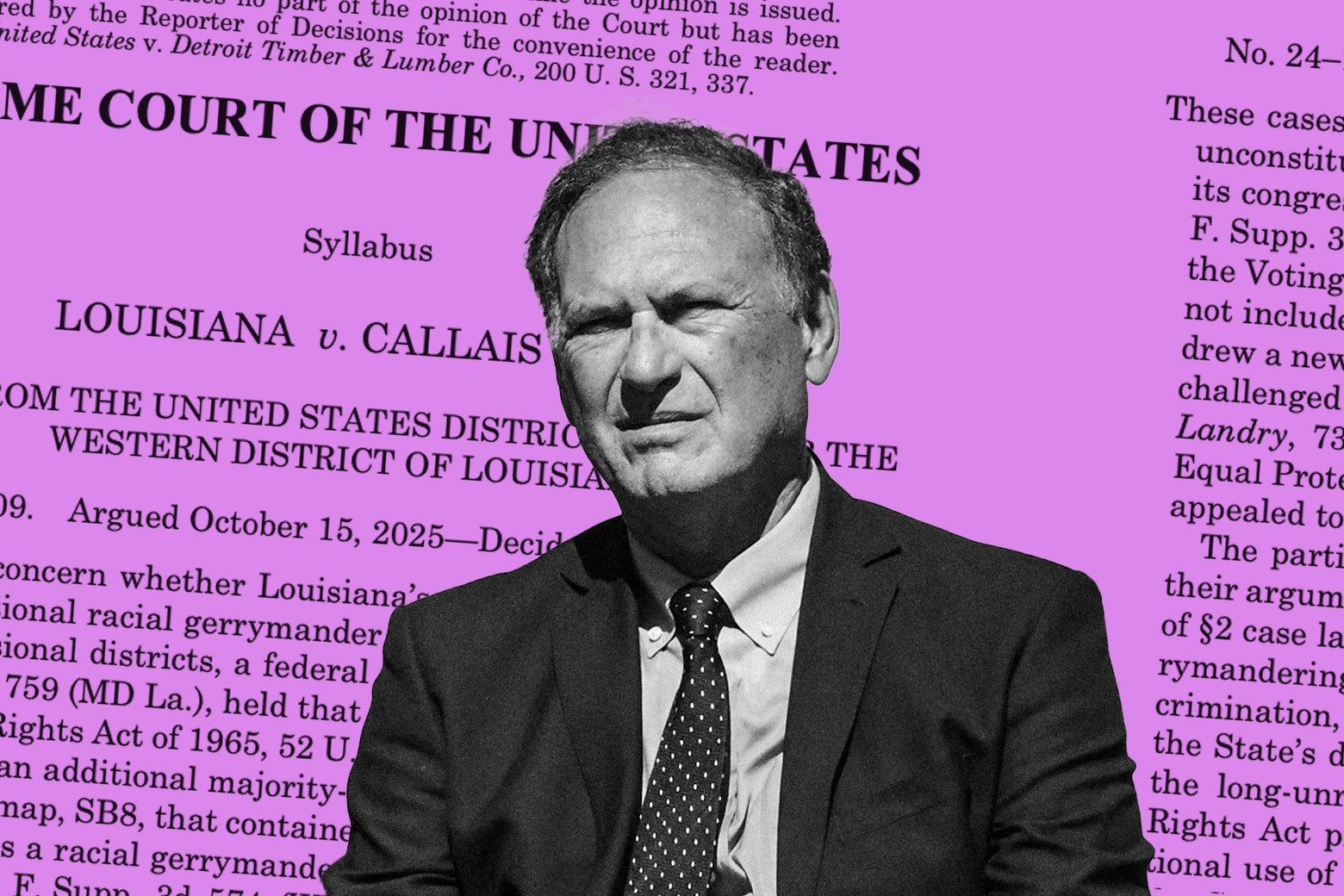
"Yet on April 29, the Supreme Court's landmark decision in Louisiana v. Callais dramatically narrowed how Section 2 of the Voting Rights Act operates. What's been less discussed than the significant consequences of the ruling is how the majority's reasoning rests in substantial part on the premise that colorblind rules and practices produce fairer outcomes. That colorblindness promotes justice. But this premise is wrong."
"To understand why, imagine a scenario with no historical discrimination and fully colorblind policies. Would colorblindness in this setting, a setting presumably most favorable for just outcomes, be fair? My economics research published in the peer-reviewed Journal of Law and Economics demonstrates that the answer is a definitive no. I demonstrate mathematically that with an otherwise level playing field, when one group is larger, its members systematically enjoy more connections-along with the opportunities that flow through them."
"Call the phenomenon itself “social network discrimination.” It emerges not from malice, but from math. Consider a simple example in the employment context with three trusted employees providing referrals for potential job candidates. The employees have equal qualifications, the company do"
Read at Slate Magazine
Unable to calculate read time
Collection
[
|
...
]