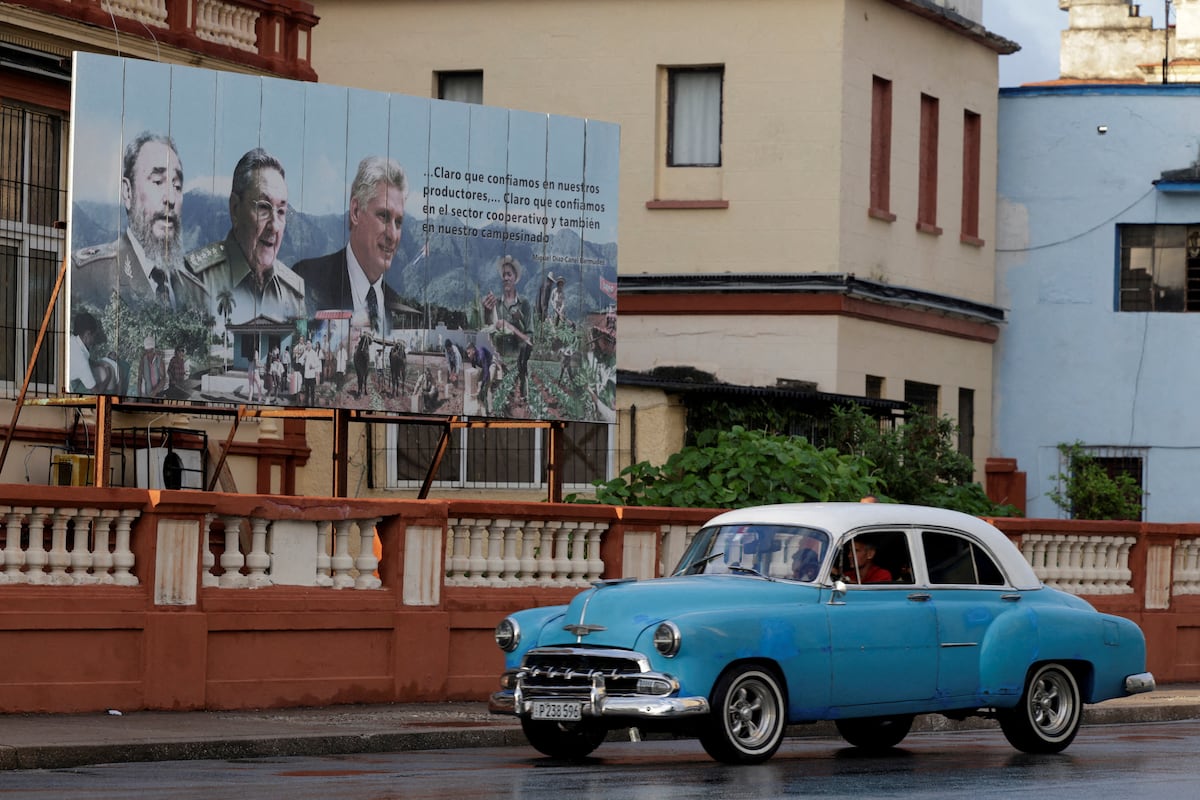
Oswaldo Paya delivered over 11,000 signatures to Cuba’s Parliament in May 2002 through the Varela Project, which demanded a referendum to democratize the island. The popular support unsettled Havana and led Fidel Castro to add a clause to the Constitution making socialism irrevocable. Paya faced criticism from Miami radio for legitimizing the system, while Washington increased pressure and hinted at possible military intervention. Cuban antirevolution dissidence remained fragmented, lacking clear leadership and a plan accepted across opposition views. Exile maximalism calling for invasion conflicted with centrist proposals for a negotiated transition. Governing after a 67-year iron-fist regime would be difficult amid economic freefall, an aging population, and a cumulative 15% GDP drop since the pandemic.
"Added to this are the chronic ills of an economy in freefall. Cuba's former engines tourism, sugar, and tobacco are in shambles, while the population is the oldest on the continent. There's been a cumulative drop of 15% in gross domestic product (GDP) since the pandemic. The example of Paya who d"
Read at english.elpais.com
Unable to calculate read time
Collection
[
|
...
]