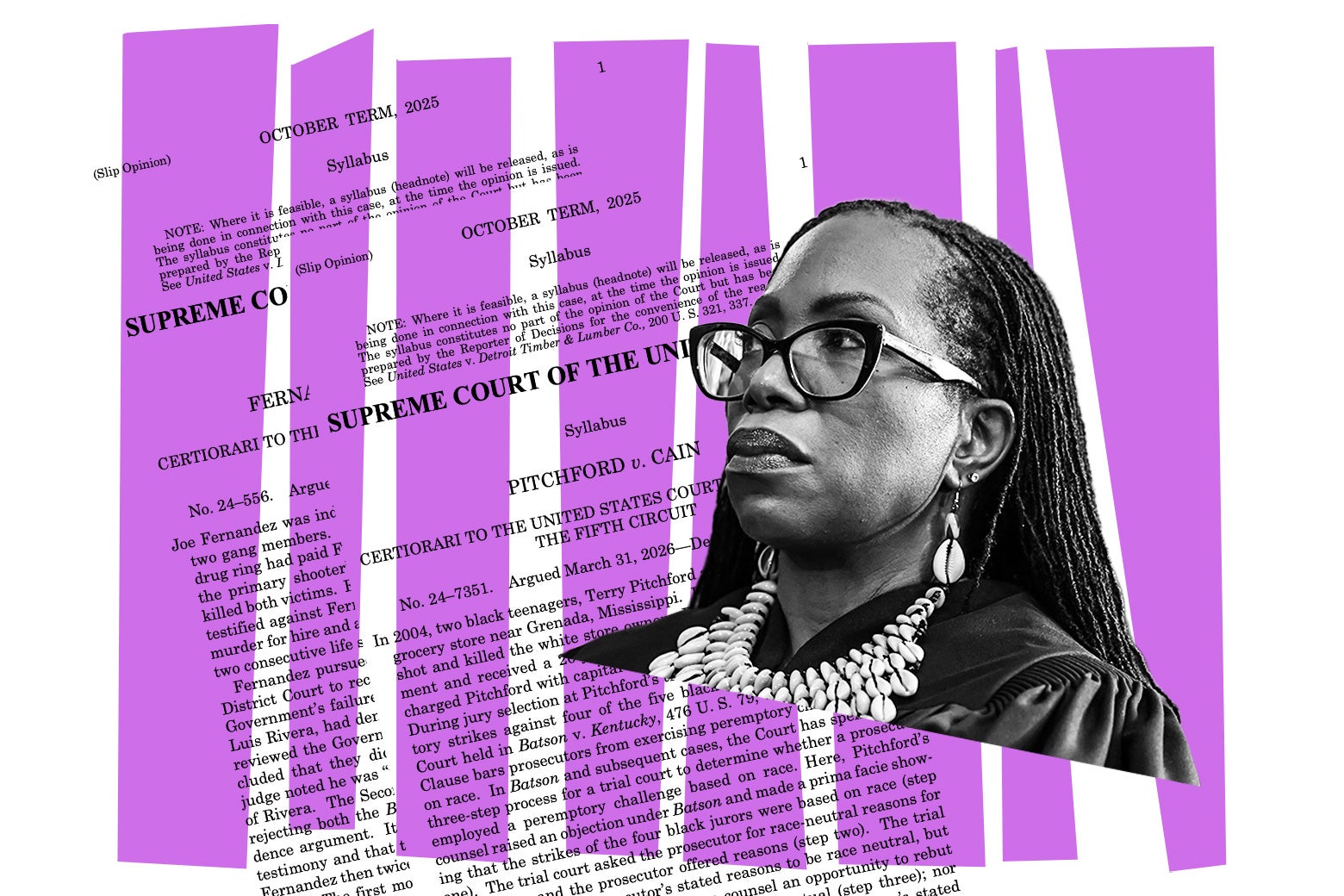
The Supreme Court held that the inaccuracy or unfairness of an underlying conviction cannot serve as an extraordinary and compelling reason for compassionate release. The case involved a prisoner seeking relief from a conviction rather than a typical compassionate-release claim. Innocent prisoners usually pursue federal habeas corpus, which challenges the conviction and can lead to compensation if innocence is shown. Access to federal habeas relief has been severely limited, making relief difficult, especially for people filing pro se. Postconviction petitions are treated as collateral, subject to strict deadlines and procedural rules that can prevent courts from hearing arguments. After failing in habeas, petitioners may lose future opportunities, prompting alternative pathways for relief.
"The U.S. Supreme Court considered this question in Thursday's ruling in Fernandez v. United States and decided 8-1 that it does not. This case is unusual because innocent prisoners typically petition for federal habeas corpus relief, not compassionate release. Federal habeas corpus petitions attack the conviction and open up the possibility of compensation if the petitioner can demonstrate their innocence. So, why would an innocent prisoner seek compassionate release? Because Congress and the Supreme Court have severely limited prisoners' access to federal habeas corpus relief over the past several decades."
"Through our research interviewing exonerees about their appeals process and their perceptions of the courts and the law, we learned just how difficult it is for falsely convicted prisoners to get relief through habeas corpus-especially when they are petitioning pro se(representing themselves). Our 36 study participants are among the 3,820 people recognized by the National Registry of Exonerations as having their false convictions overturned based on actual innocence. Like Joe Fernandez, these exonerees learned the hard way that the appellate system is not designed for them."
"Study participants told us that they initially had faith that the error of their convictions would quickly be corrected. Little did they know that postconviction petitions like habeas corpus are considered "collateral," that filing deadlines and procedural rules could bar judges from ever hearing their arguments, and that if they filed for habeas review and failed, they might never get another chance. In response to these limitations, defendants like Fernandez have sought out other pathways for relief."
#compassionate-release #supreme-court #federal-habeas-corpus #wrongful-convictions #postconviction-procedure
Read at Slate Magazine
Unable to calculate read time
Collection
[
|
...
]