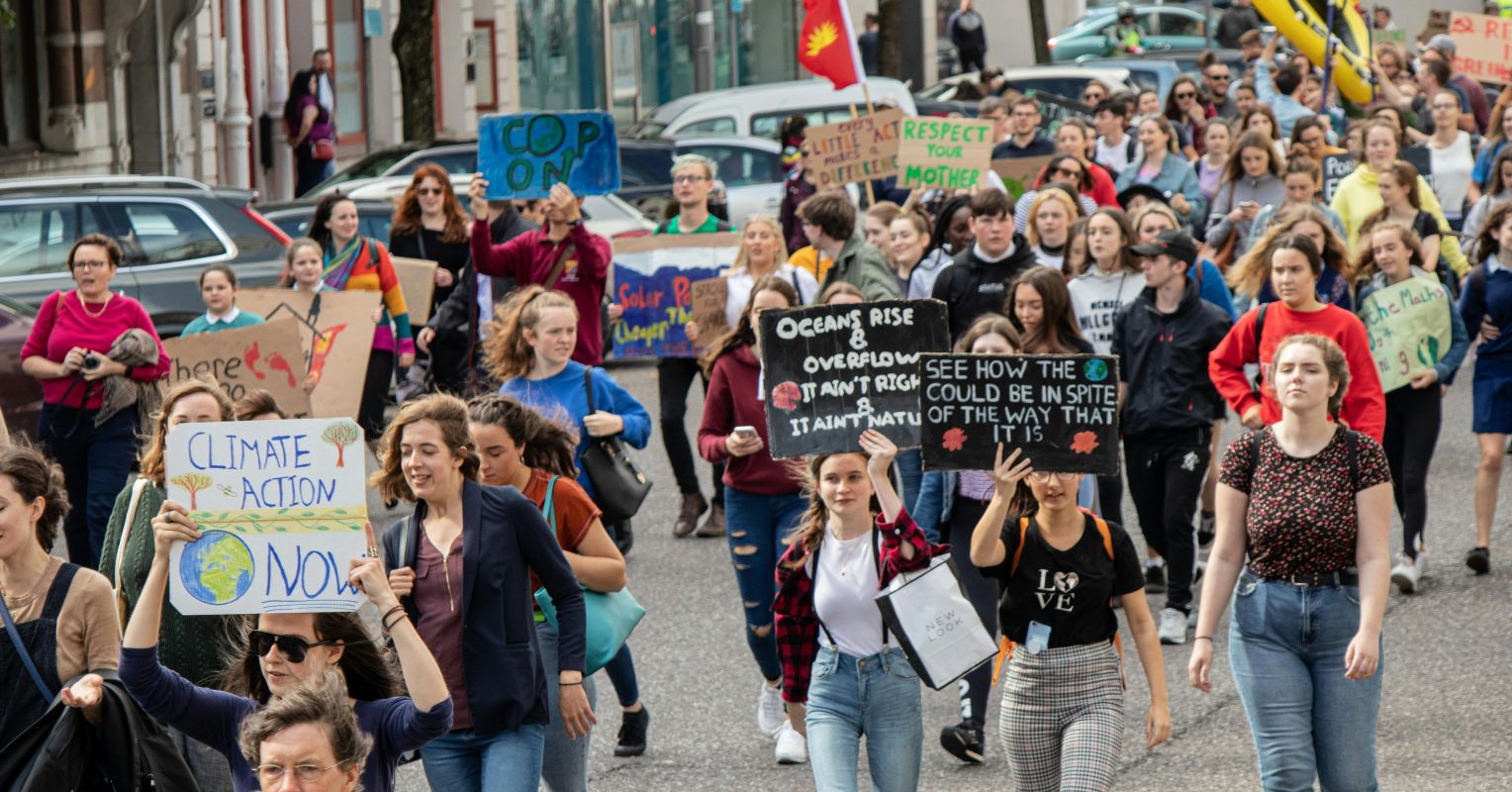
"I felt overwhelmed with a political dissonance that was mirrored by many others around me. It's not surprising, considering the human rights crisis of mass deportations and unchecked power of ICE agents; the dismantling of diversity, equity, and inclusion programs; and every threat to the planet due to the withdrawal of the United States from global climate accords-just to name a few highlights of the first year of Trump's administration."
"It is easy to succumb to this feeling of overwhelm in the face of fear and uncertainty. Activist filmmaker, therapist, and professor, Rafael Angulo shares, "I learned from a client regarding activism that it is our obligation to look at the dark but never stare at it. Once we stare at darkness, we become guilty bystanders to evil and systematic pathologies that our bodies and minds are either triggered by or become helpless. Community is our balm to look at darkness together.""
Activists experienced intense overwhelm during early political upheavals, driven by human rights crises, mass deportations, attacks on diversity programs, and climate-policy rollbacks. Community support becomes essential to avoid paralysis and collective helplessness. Activists respond by adopting confrontational strategies and reframing tactics—Resistance 2.0—focused on visceral motivations, direct action, and renewed agency. Storytelling functions as a strategic tool to counter fatalism, humanize affected communities, and reclaim narrative power. Together, community-centered approaches and narrative interventions restore agency, sustain engagement, and enable changemakers to translate moral urgency into sustained, creative resistance and organized political action.
Read at Psychology Today
Unable to calculate read time
Collection
[
|
...
]