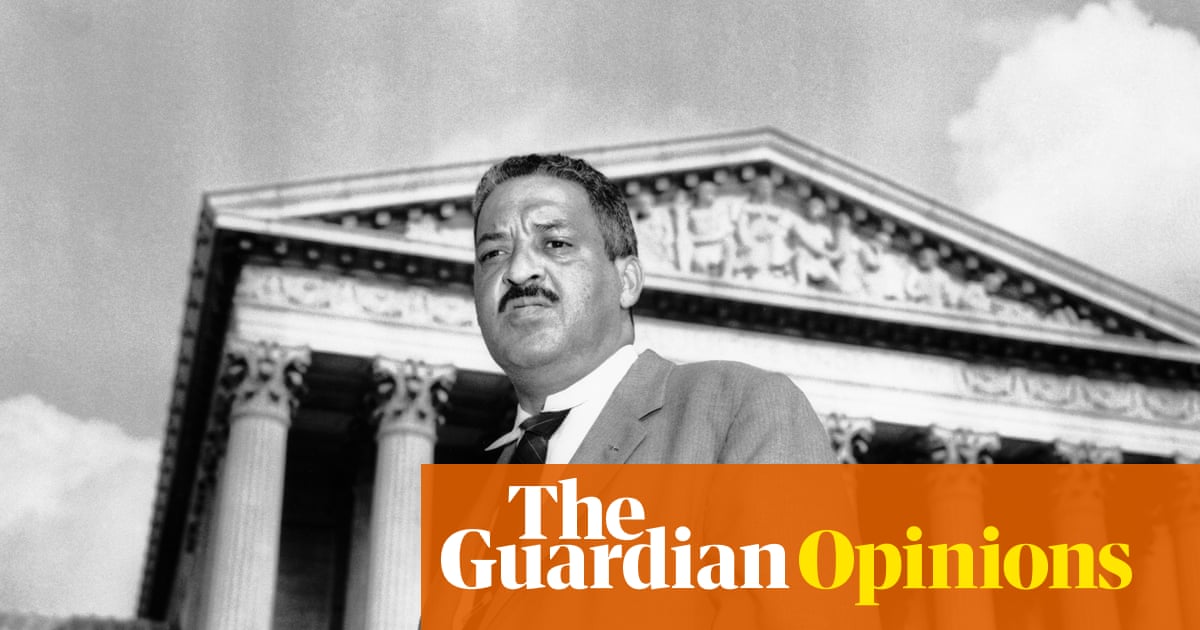
In 1989, Thurgood Marshall dissented in the City of Richmond v JA Croson Co case, which questioned the use of race in municipal contracting. The court ruled against Richmond's plan to allocate 30% of contracts to minority business enterprises, citing a lack of direct proof of past discrimination. Justice O'Connor argued that such race-conscious laws were too strict, while Justice Scalia advocated for a colorblind interpretation of the Equal Protection Clause. Marshall's dissent highlighted the risks of reversing civil rights advancements and the ongoing struggle for racial equity.
"Justice Sandra Day O'Connor argued that race-conscious laws like the percentage-based set-asides were too strict and couldn't be directly tied to proof of past discrimination."
"Justice Antonin Scalia took an even stricter view in his concurring opinion, that the government has no authority to consider race, even to remedy past discrimination."
"Scalia's opinion announced a new post-civil rights conservative strategy that remains the playbook for dismantling multiracial democratic power till this day."
"Marshall saw the writing on the wall for how the court could undo a century of the hard-fought gains of the Black freedom struggle."
#thurgood-marshall #city-of-richmond-v-ja-croson-co #race-conscious-laws #equal-protection-clause #civil-rights
Read at www.theguardian.com
Unable to calculate read time
Collection
[
|
...
]