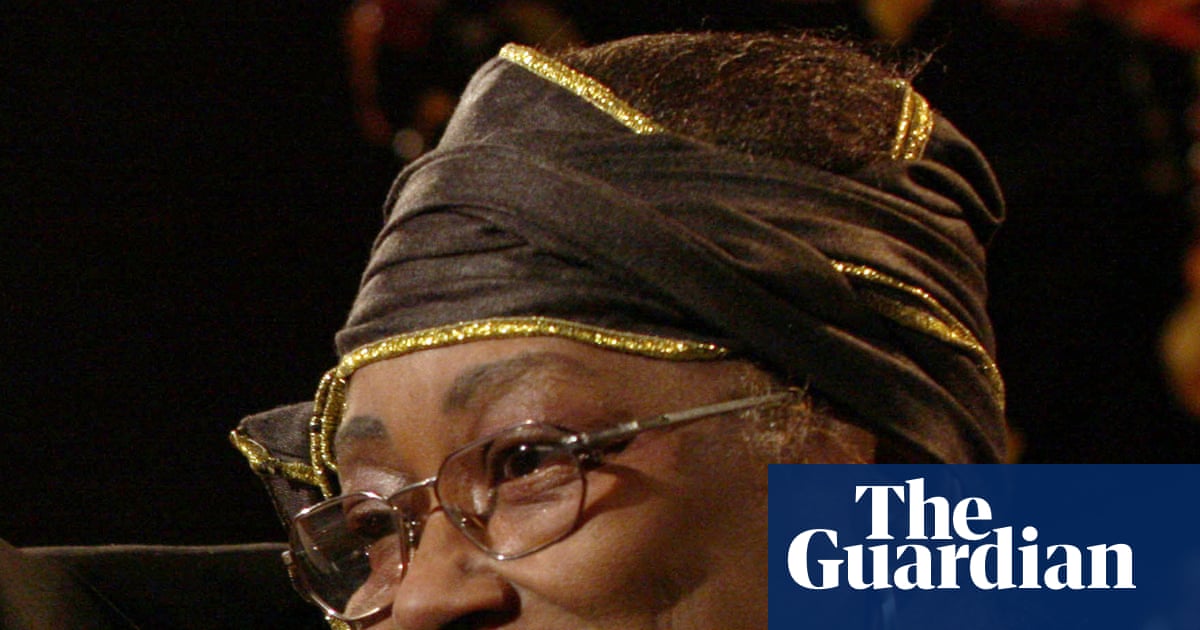
"On 2 March 1955 Colvin, aged 15, was riding a bus home from school in Montgomery, Alabama, with seats in the front reserved for white passengers, while those in the rear were designated for black people. She was in a neutral zone from which, as the bus filled up, the driver could order black passengers to move to the back. When she refused to give up her seat to a white woman, the driver called the police, and Colvin was arrested."
"Soon afterwards she appeared before a juvenile court. Charges of violating segregation laws and disturbing the peace were eventually dropped on appeal, but her conviction for assaulting a police officer was upheld. Nine months later, on 1 December, Rosa Parks, a seamstress and an organiser within the local branch of the NAACP (National Association for the Advancement of Colored People), similarly refused a driver's order to move to the back of the bus."
"Her conviction (and $10 fine) four days later prompted the start of a bus boycott by Montgomery's black community, which attracted national attention, and the support of the Rev Martin Luther King. Two months later, in February 1956, a civil rights attorney, Fred Gray, filed suit in federal district court; Colvin, by then 16, and eight months pregnant, was one of four plaintiffs testifying in Browder v Gayle."
Claudette Colvin, aged 15 in March 1955, refused to give up her bus seat in Montgomery, Alabama, and was arrested after the driver called police. She appeared before a juvenile court; charges of violating segregation laws and disturbing the peace were later dropped on appeal, but a conviction for assaulting a police officer was upheld. Nine months later Rosa Parks's similar refusal and conviction sparked a widely supported bus boycott. In February 1956 Fred Gray filed Browder v Gayle with Colvin as one of four plaintiffs; courts ruled Montgomery's bus segregation violated the 14th Amendment and the supreme court upheld the decision.
Read at www.theguardian.com
Unable to calculate read time
Collection
[
|
...
]