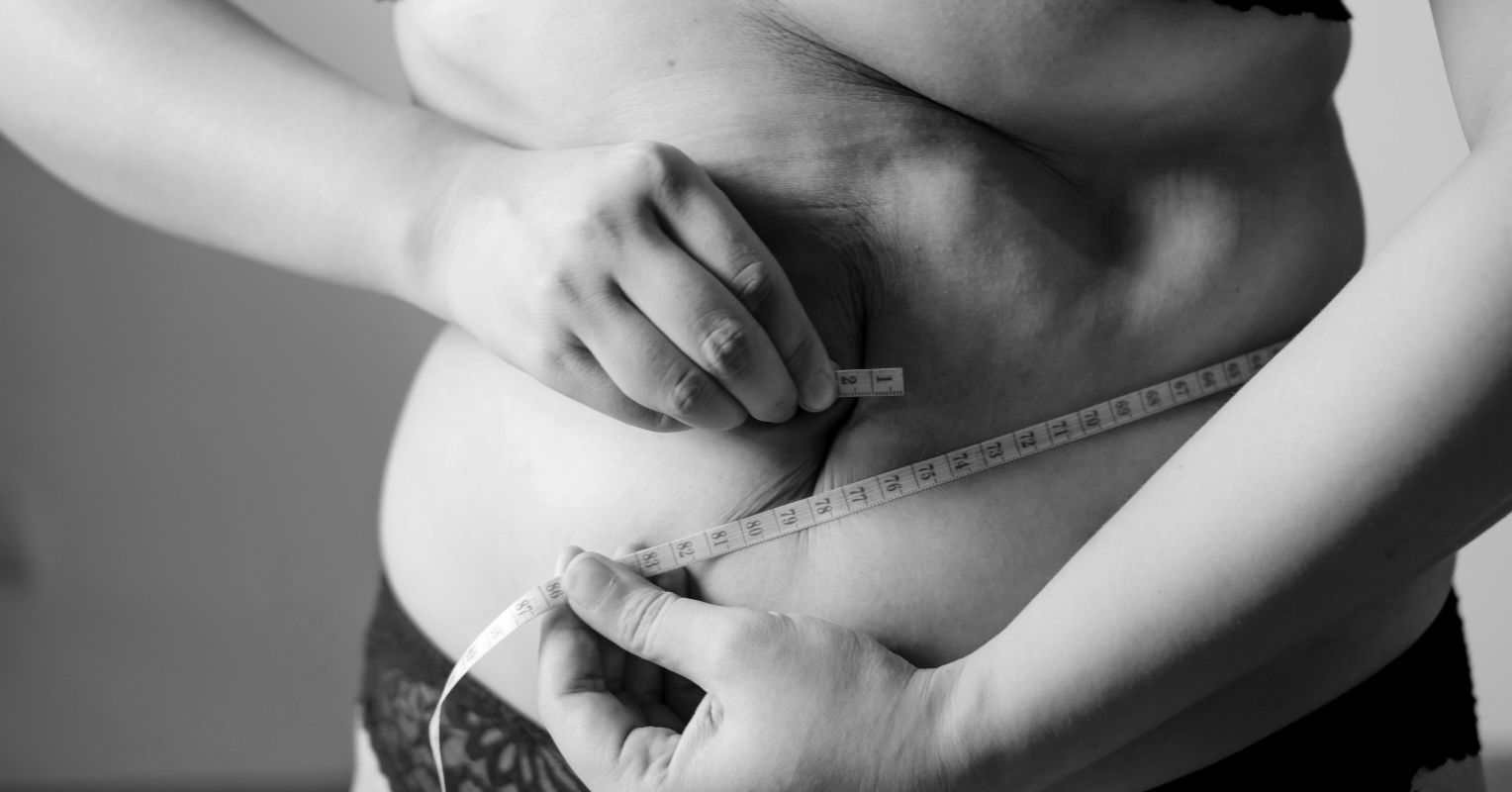
Body positivity originated in fat activism led by fat, Black, and queer activists pushing back against anti-fat bias. The movement prioritized dignity, safety, and equal worth for marginalized bodies. The aim focused on challenging systems that equate thinness with morality, health, and value, not on changing appearance. Mainstreaming softened the concept, often reframing it as confidence-building or personal transformation tied to weight loss. Care for the body does not have to mean shrinking it. Weight loss can reinforce beliefs that sustain eating disorders. Health and worth are not determined by body size.
"The question, 'Can you lose weight and still be body positive?' has been coming up more often lately, especially as GLP-1 medications for weight loss have entered the mainstream and complicated already fraught conversations about bodies, health, and care. On the surface, it sounds reasonable: People want to take care of themselves. Bodies change. Weight fluctuates. Wanting to feel better in your body is human."
"Body positivity did not begin as a self-love slogan or a marketing campaign. It grew out of fat activism, led largely by fat, Black, and queer activists pushing back against anti-fat bias. At its core, it was about dignity, safety, and equal worth for people whose bodies are marginalized. It was never about changing your appearance so you could finally feel good about yourself. It was about challenging systems that equate thinness with morality, health, and value."
Read at Psychology Today
Unable to calculate read time
Collection
[
|
...
]