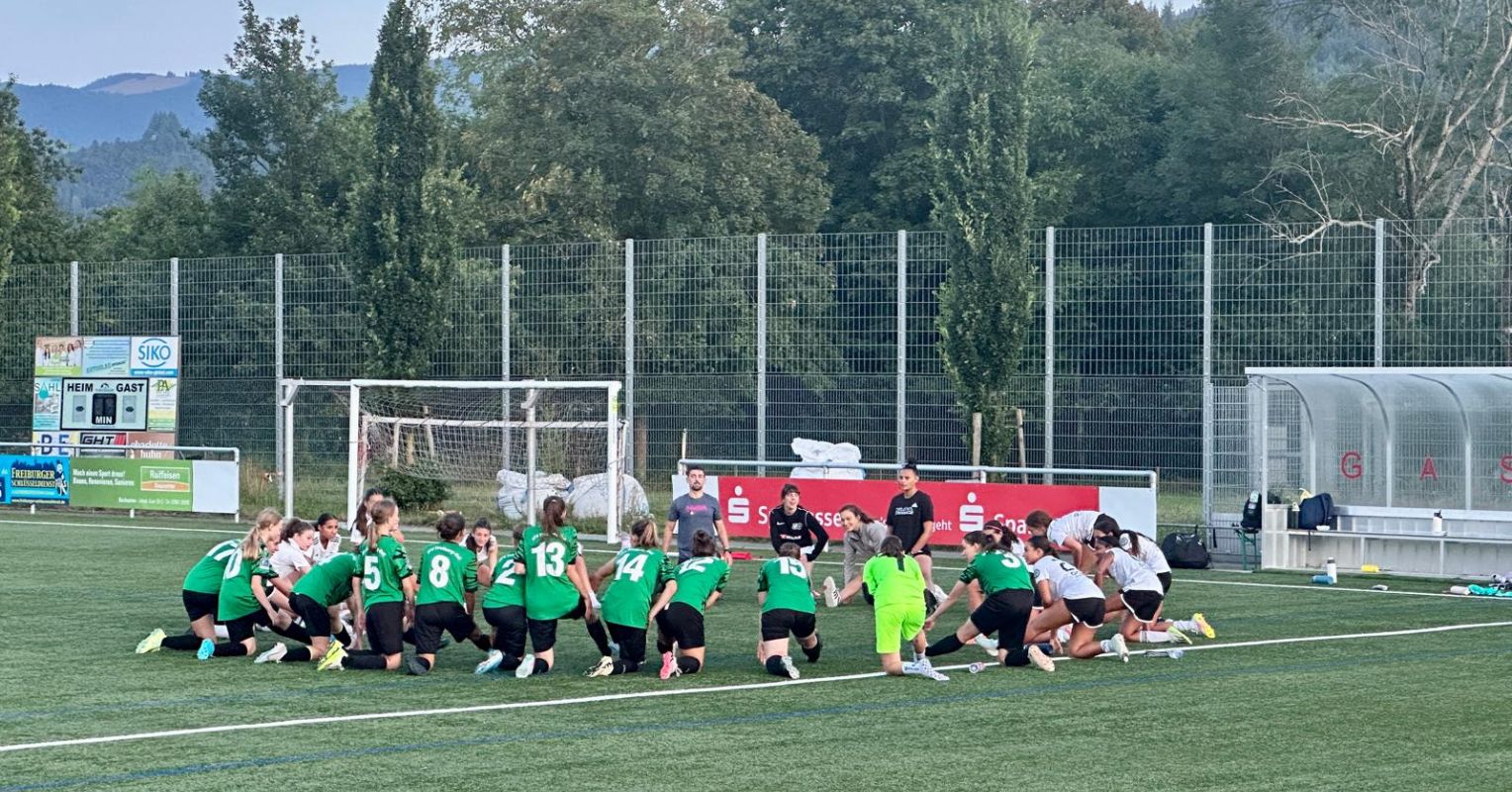
"Today, many communities across the world-especially Western communities-tend to emphasize and privilege organized sport over free, unstructured play ( Ergler et al., 2013). While there is high value in free play, I'd like to share an experience of how traveling with my daughter's (American) soccer team to play soccer in two different countries-Germany and Switzerland-led me to also appreciate the value of universal structured games such as sports, both for adolescent development and for family bonding."
"Research has demonstrated that families often make connections with one another over playing and watching sports ( Williams et al., 2020). I would certainly say that has been true for my family, where we attend multiple practices and games each week for both of my children, and we also frequently travel to distance tournaments. This leads to a lot of hours spent together in the car and on the fields, and lots to talk about before and after."
Many Western communities increasingly emphasize organized sport over free, unstructured play. A U.S. family's travel with a youth soccer team to Germany and Switzerland illustrated the value of universal structured games for adolescent development and family bonding. Families often form connections through playing and watching sports, with frequent practices, games, and travel creating shared time and conversation. In the United States over 14 million children older than six play soccer; globally more than 21.5 million youth are registered. Organized soccer participation associates with cognitive benefits in 10- to 12-year-olds, including improved attention and cognitive flexibility. Sports can enable cross-cultural communication even without a common language.
Read at Psychology Today
Unable to calculate read time
Collection
[
|
...
]