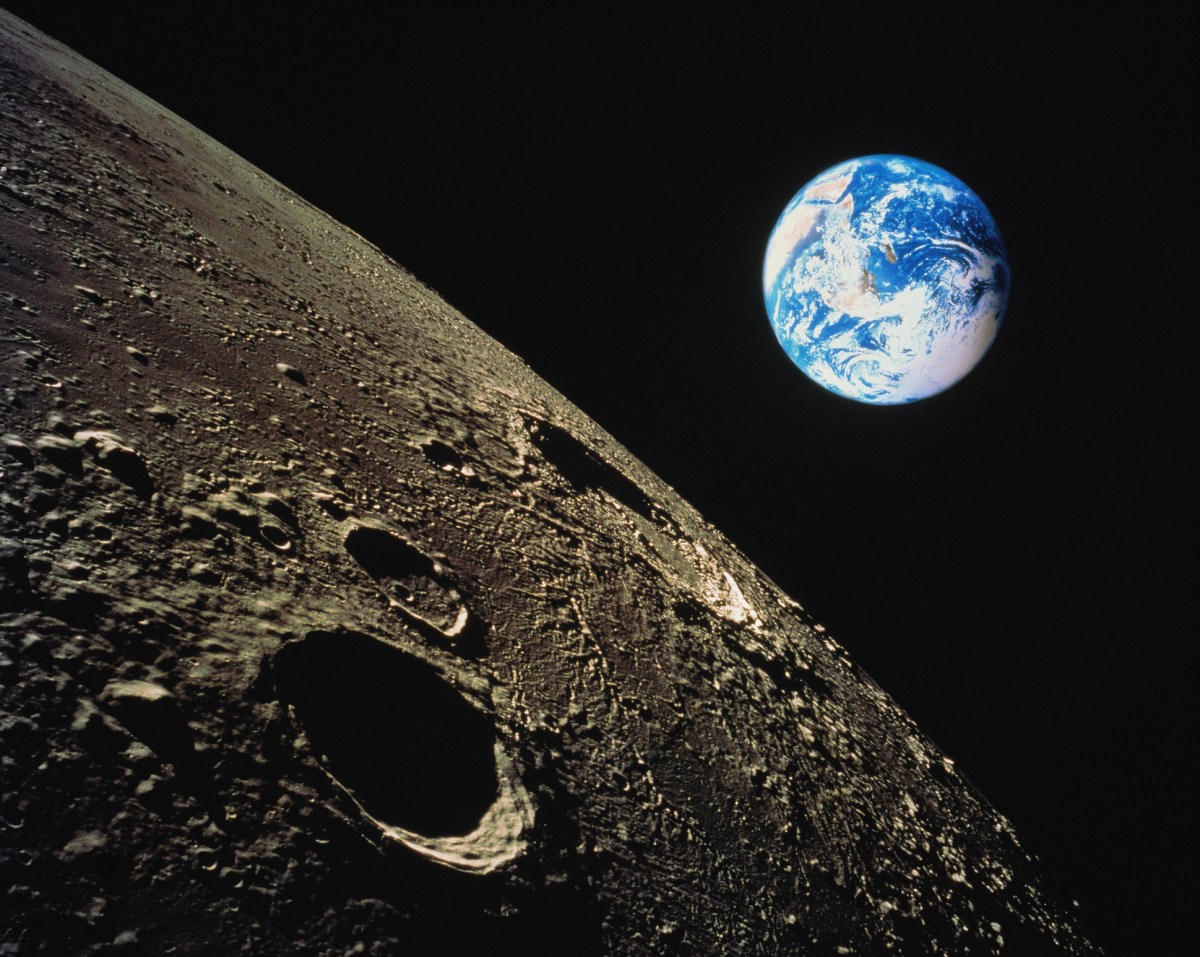
Jeff Bezos predicted millions will be living in space within a few decades because robots will be more cost-effective, while Will Bruey predicted that within 15 to 20 years it will be cheaper to send a working-class human to orbit for a month than to develop better machines. Economic incentives toward human labor in orbit raise urgent questions about who will work in space and under what conditions. Power imbalance is the central ethical concern. Workers already struggle to pay bills, secure safety, and maintain insurance on Earth. Employer dependence would intensify in space when employers control pay, healthcare, food, and water, potentially enabling unprecedented control over workers’ basic survival.
"In October, at a tech conference in Italy, Amazon and Blue Origin founder Jeff Bezos predicted that millions of people will be living in space " in the next couple of decades " and "mostly," he'd said, "because they want to," because robots will be more cost-effective than humans for doing the actual work in space."
"Rather than robots doing the work as Bezos envisioned, Bruey said that within 15 to 20 years, it will be cheaper to send a "working-class human" to orbit for a month than to develop better machines. In the moment, few in the tech-forward audience seemed taken aback at what many might consider a provocative statement about cost savings. But that raised questions for me - and it has certainly raised questions for others - about who, exactly, will be working among the stars, and under what conditions."
""Workers already have a hard enough time on Earth paying their bills and keeping themselves safe . . . and insured," she told me. "And that dependence on our employers only increases dramatically when one is dependent on one's employer not just for a paycheck and sometimes for health care, but also for basic access, to food and to water -"
Read at TechCrunch
Unable to calculate read time
Collection
[
|
...
]