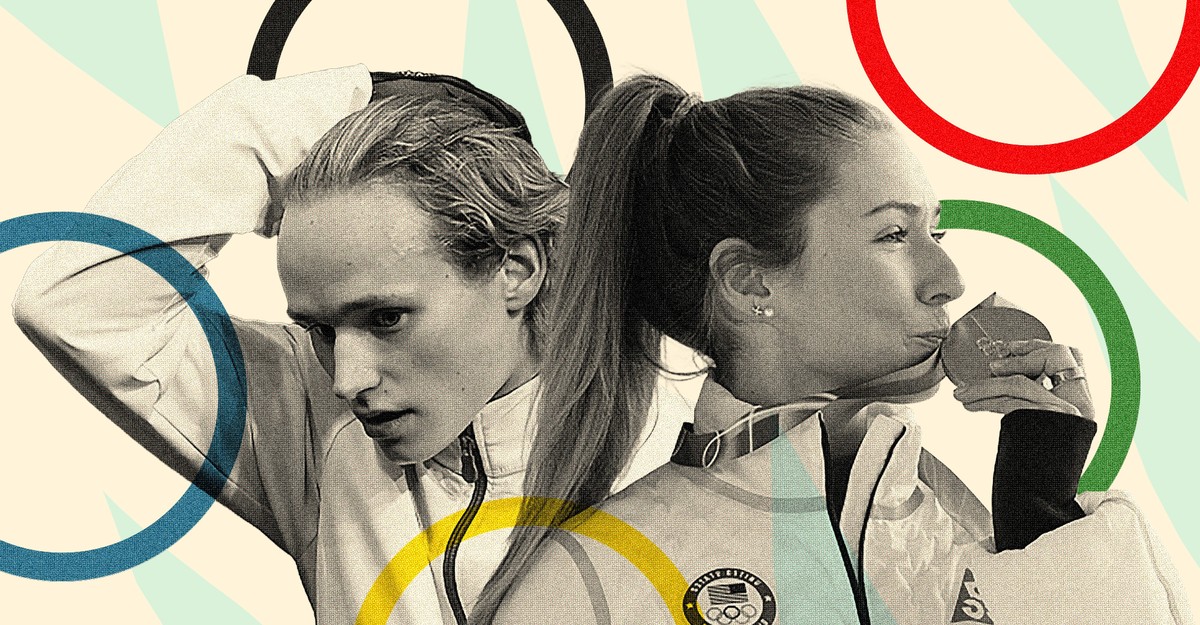
Pressure produces measurable physiological changes that impair performance. Stress and anxiety increase muscle tension and redirect blood away from extremities, reducing fine motor control and compromising actions like typing or controlling ski edges. Heavy pressure can alter neurotransmitter signaling; experiments on acetylcholine show chemical control of heart rate and muscle function, and disruption can impede breathing and diaphragm control. Such bodily effects can paralyze legs or destabilize balance under high stakes. Some athletes counteract these reactions with deliberate physical or mental techniques to overcome physiological responses and execute precise, high-risk movements under intense public scrutiny.
"Those of us who watch the Olympics as bystanders tend to smugly judge athletes for succumbing to pressure without understanding what we even mean by the term. The first thing to know about pressure is that it has actual physical properties. Feeling it is not a sign of a too-thin veneer of character. Pressure might as well be a snakebite, given its very real qualities in the bloodstream and how it can paralyze even the strongest legs. The way to deal with pressure, and become"
"You think that you have total command of yourself, sitting there safely at your desk. But have you ever noticed that typing can seem harder on a tight deadline? That's because it is harder. As physiology studies show, stress and anxiety cause increased muscle tension and redirection of blood flow away from your extremities-and with less blood in your fingers, you lose fine motor control. Now, imagine what happens to the nervous system of an Olympic skater or skier trying"
Read at The Atlantic
Unable to calculate read time
Collection
[
|
...
]