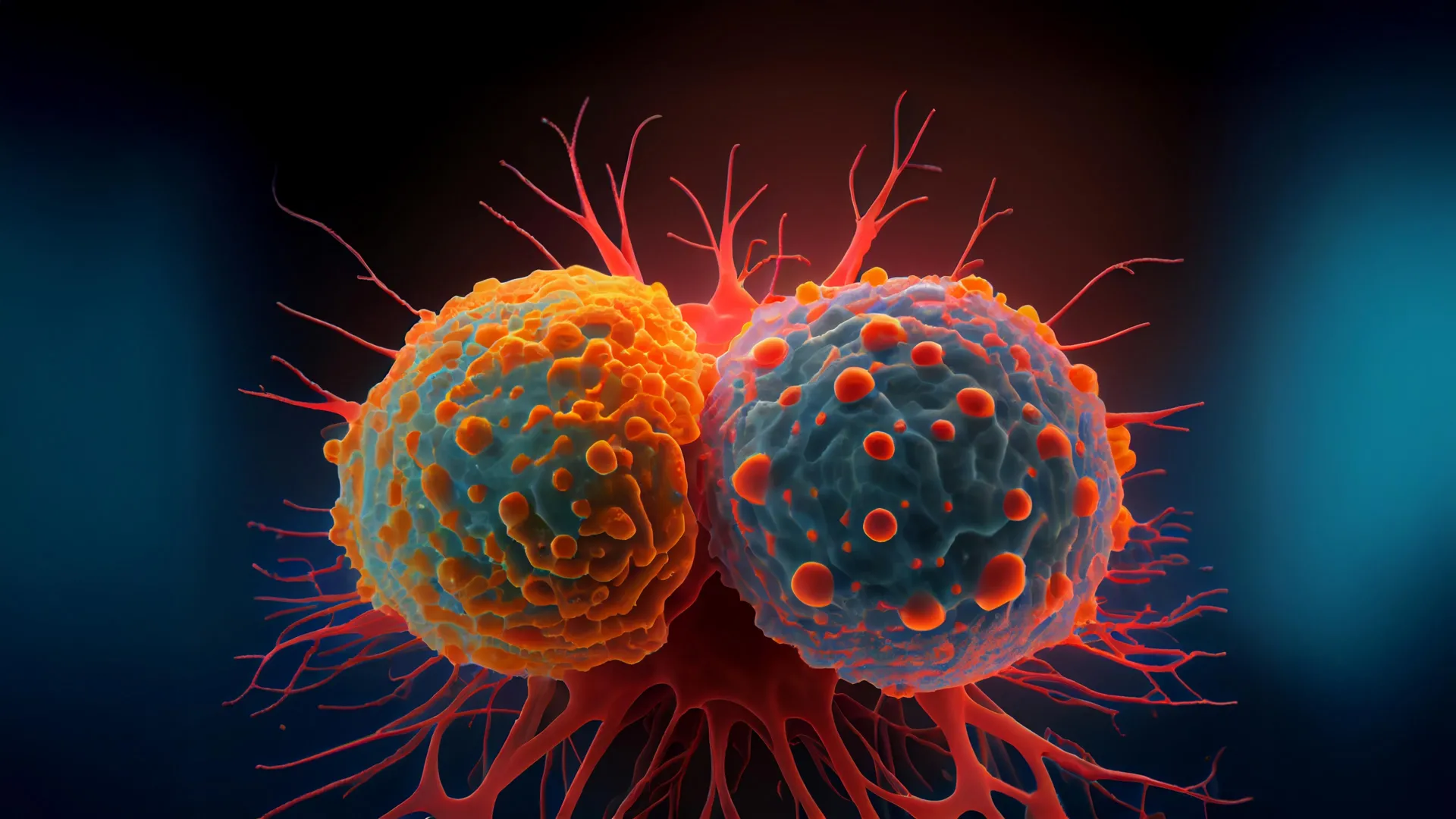
"This tolerance significantly reduces the effectiveness of dendritic cell vaccines, a type of immunotherapy designed to train the immune system to recognize and attack cancer. The researchers also described the creation and preclinical testing of a drug that blocks retinoic acid production in both cancer cells and DCs. The compound, KyA33, improved the performance of DC vaccines in animal studies and also showed potential as a stand-alone cancer immunotherapy."
"The molecule, known as all-trans retinoic acid, was found to weaken natural anti-cancer immune responses and, under certain conditions, reduce the effectiveness of a promising type of cancer vaccine. Vitamin A metabolites, also called retinoids, have long sparked debate because of their mixed effects on health and disease. The new findings, described across two scientific papers, help clarify this long-standing controversy. They also led to the development of the first experimental drugs designed to shut down the cellular signaling pathway triggered by retinoic acid."
All-trans retinoic acid, a vitamin A-derived metabolite, weakens innate anti-cancer immune responses and can lower the effectiveness of certain cancer vaccines. Retinoic acid produced by dendritic cells reprograms those cells to promote immune tolerance toward tumors, impairing dendritic cell vaccine efficacy. A small-molecule compound, KyA33, blocks retinoic acid production in both cancer cells and dendritic cells, improving dendritic cell vaccine performance in animal models and showing potential as a standalone immunotherapy. Additional experimental drugs were developed to shut down the cellular signaling pathway activated by retinoic acid. Inhibiting retinoid signaling represents a novel strategy to restore anti-tumor immunity.
Read at ScienceDaily
Unable to calculate read time
Collection
[
|
...
]