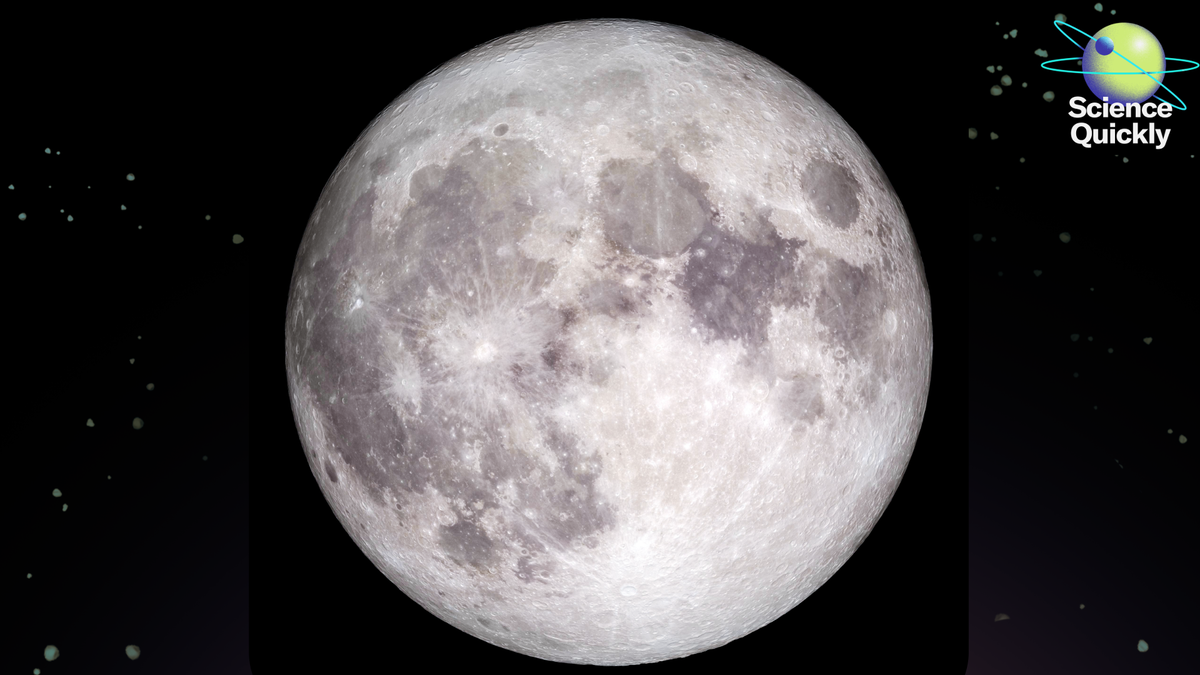
Solar power has been the dominant approach for powering lunar missions, but sunlight does not reach all lunar locations consistently. Lunar regions experience long periods without direct solar illumination, creating reliability problems for purely solar systems. Nuclear power offers a steady energy source that can operate regardless of lighting conditions. Experts argue that placing a reactor on the Moon can make practical sense when the engineering, safety, and deployment timeline are handled with sufficient care. A near-term goal of having a reactor in place by 2030 is ambitious, but the concept is not treated as inherently unrealistic. Careful planning and gradual development are emphasized as key to making lunar nuclear power workable.
"Solar power has been the way things have gone in space, and that's been the idea for the moon for quite a while. But the problem is the sun doesn't shine universally on the moon, just like it doesn't on Earth, but the lunar south p"
"Plenty of experts say it actually makes perfect sense as long as we take our time. Here to tell us more is Robin George Andrews. He's a volcanologist turned science journalist who writes about the earth, space and planetary sciences. He's also the author of a feature in Scientific American's June 2026 issue all about the dream of going nuclear on the moon."
"For a layperson I think there are probably a couple of things that feel weird and surprising about this. The very concept of a nuclear reactor on the moon might surprise people, and then also the timeline seems very fast, and we'll dig into all that. But let's start with the first one because this isn't actually a fringe idea, right? Nuclear power on the moon might kind of be inevitable."
Read at www.scientificamerican.com
Unable to calculate read time
Collection
[
|
...
]