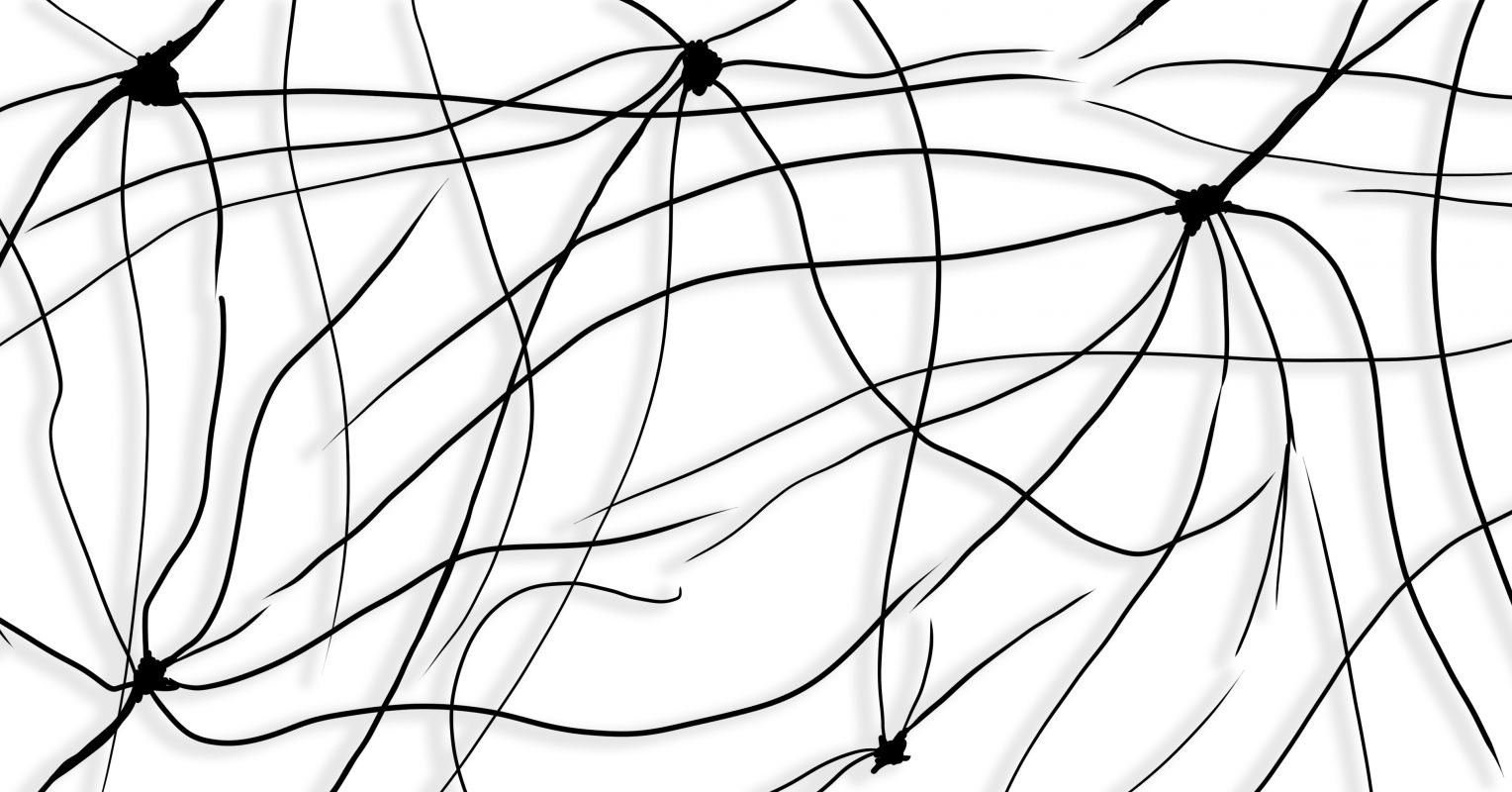
"At every moment there is something a person/animal is trying to do (a goal) and a reason they are trying to do it (a context for that goal). In the Affect Management Framework (AMF; Haynes-LaMotte, 2025), contextualized goals are constantly shifting in the brain, informed by the senses of the world and the body ( vision, hearing, touch, taste, smell, interoception, and proprioception) as well as the semantic factors of meaningfulness, certainty, and agency."
"regardless of what someone is currently doing ( Sadaghiani & Kleinschmidt, 2013). In terms of the hierarchical Bayesian estimation central to Predictive Processing and Active Inference, Sadaghiani and Kleinschmidt (2013) describe that "these intrinsic activity fluctuations reflect the dynamic nature of the underlying internal model. This model does not remain locked in a stationary mode but stays malleable by continuously exploring hypotheses regarding future experience and action" (p. 382)."
Contextualized goals pair an objective with the contextual reason for pursuing it and continuously shift within the brain, driven by sensory modalities (vision, hearing, touch, taste, smell, interoception, proprioception) and semantic features like meaningfulness, certainty, and agency. Affect is linked to those goals, so selecting, pursuing, or relinquishing contextualized goals across similar situations constitutes different affect management policies. These goals update as part of ongoing intrinsic brain activity that consumes substantial metabolic resources (~20% of adult energy) and maintains a malleable internal model under hierarchical Bayesian Predictive Processing and Active Inference.
#affect-management #contextualized-goals #intrinsic-brain-activity #predictive-processing #active-inference
Read at Psychology Today
Unable to calculate read time
Collection
[
|
...
]