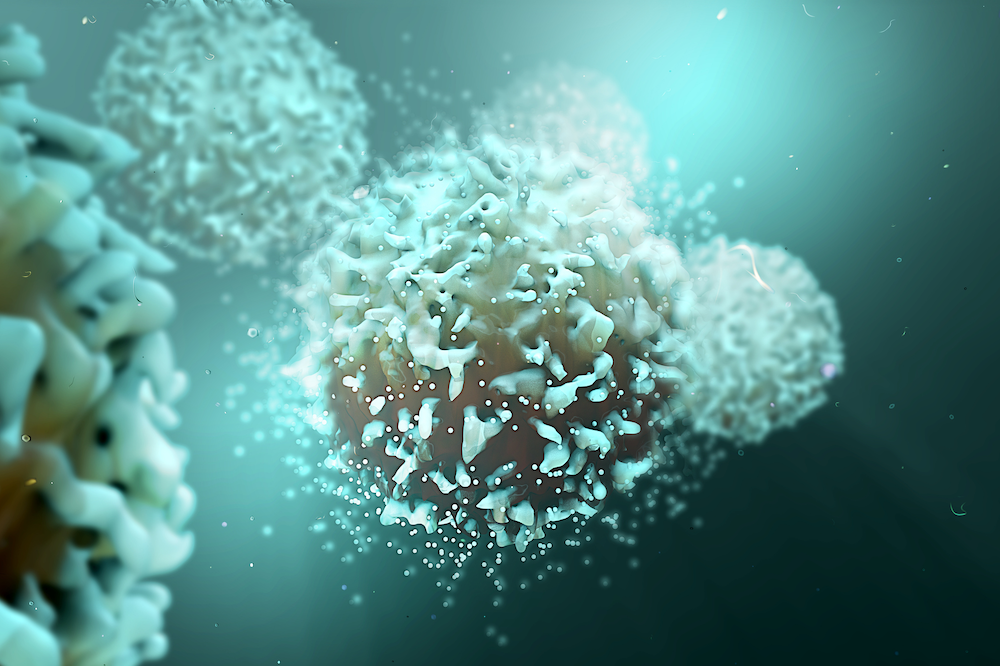
"During viral infection and in the case of cancer, CD4+ helper T-cells release cytokines, or small signaling proteins, that activate and "give permission" to other immune cells to control and clear viral pathogens. In certain viral infections, such as lymphocytic choriomeningitis virus (LCMV), which is spread by infected rodents, CD4+ T-cells differentiate into different subpopulations, including one subset of progenitor CD4+ T-cells that replenish type 1 helper (Th1) and follicular helper (Tfh) T-cells."
"During infection, however, the differentiation of CD4+ T-cells into Th1 cells also becomes restricted, causing a decrease in CD4+ Th1 cell responses which prevents the immune system from efficiently controlling viral replication, ultimately resulting in T-cell exhaustion. Identifying the mechanisms that drive Th1 differentiation, therefore, may reveal new targets to prevent the decline of CD4+ Th1 cell function and enhance therapeutic strategies for chronic infection, said Weiguo Cui, PhD, professor of Pathology in the Division of Experimental Pathology and senior author of the study."
CD4+ helper T-cells release cytokines that activate and permit other immune cells to control and clear viral pathogens. In infections like lymphocytic choriomeningitis virus (LCMV), CD4+ T-cells differentiate into subpopulations, including progenitor CD4+ T-cells that replenish Th1 and follicular helper (Tfh) cells. During some infections, differentiation into Th1 cells becomes restricted, reducing CD4+ Th1 responses and impairing viral control, which leads to T-cell exhaustion. Identifying cellular mechanisms that drive Th1 differentiation can reveal targets to prevent decline of CD4+ Th1 function and enhance therapeutic strategies for chronic infection.
Read at News Center
Unable to calculate read time
Collection
[
|
...
]