#immunology
#immunology
[ follow ]
#medical-research #antivenom #vaccines #malaria #public-health #hiv #nobel-prize #snake-bites #biotechnology
Medicine
fromenglish.elpais.com
1 week agoGabriel Rabinovich, biochemist: My dream is to never have to tell any patient that there's nothing more we can do'
Gabriel Rabinovich discovered galectin-1, a molecular switch that regulates the immune system, influencing therapies for autoimmune diseases and cancer.
Medicine
fromTNW | Artificial-Intelligence
1 week agoByteDance's Anew Labs presents first AI-designed therapy as TikTok parent enters drug discovery race
ByteDance's Anew Labs unveiled an AI-designed therapy targeting IL-17, a previously undruggable protein-protein interaction, at a major immunology conference.
Medicine
fromNews Center
2 months agoAOA Medical Honor Society Inducts New Feinberg Members - News Center
Feinberg's AOA chapter inducted 41 new members, and keynote speaker Dr. Nadig presented advances in transplant science including novel organ preservation interventions and personalized organ-recipient matching strategies.
fromNews Center
2 months agoTargeting Cellular Mechanisms May Improve Immune Response in Chronic Infections - News Center
During viral infection and in the case of cancer, CD4+ helper T-cells release cytokines, or small signaling proteins, that activate and "give permission" to other immune cells to control and clear viral pathogens. In certain viral infections, such as lymphocytic choriomeningitis virus (LCMV), which is spread by infected rodents, CD4+ T-cells differentiate into different subpopulations, including one subset of progenitor CD4+ T-cells that replenish type 1 helper (Th1) and follicular helper (Tfh) T-cells.
Science



fromNature
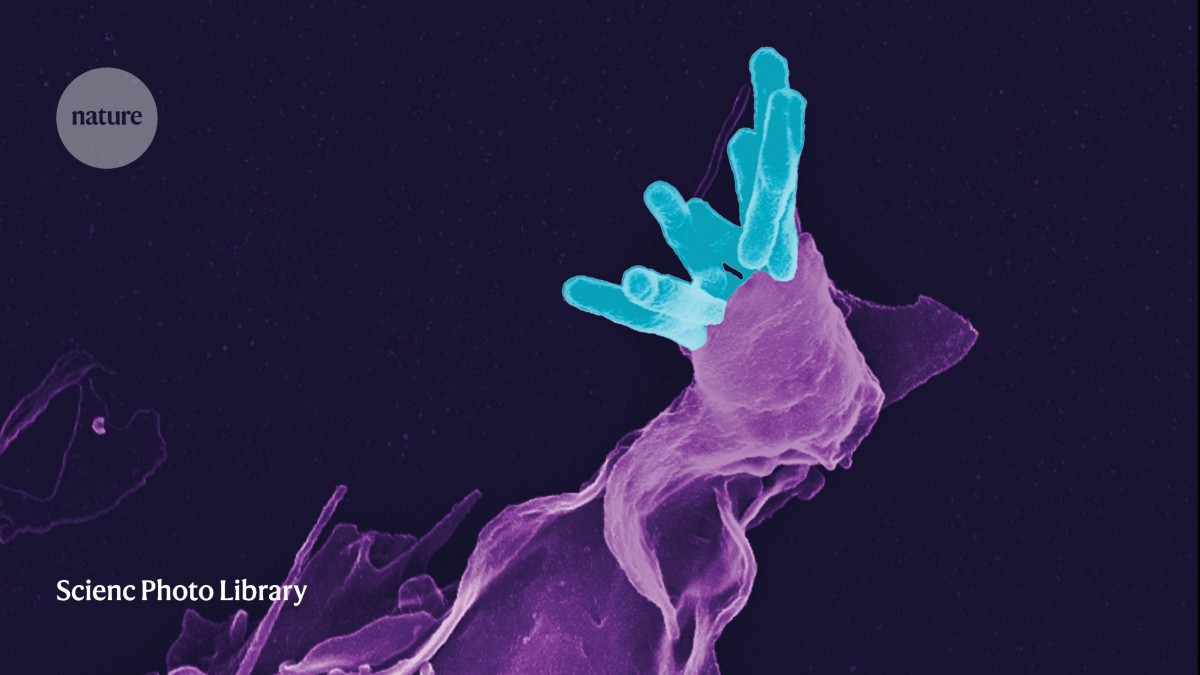
7 months agoDaily briefing: Chronic pain linked to small cluster of brain cells
Researchers have launched a search engine that can quickly sift through the staggering volumes of biological data housed in public repositories. The team integrated data from seven publicly funded data archives, creating 18.8 million unique DNA and RNA sequence sets and 210 billion amino-acid sequence sets that users can search through using text prompts. The search engine, called MetaGraph, can also uncover genetic patterns hidden deep within expansive sequencing data sets without needing those patterns to be explicitly annotated in advance.
OMG science

fromwww.npr.org
10 months agoCanceled grants get the spotlight at a Capitol Hill 'science fair'
These discoveries may not just save our own lives, but the lives of people we love. Nearly every innovation that defines our era, every breakthrough from my field and from those of my colleagues, traces back to basic science research.
US news
#antivenom
Alternative medicine
fromNature
1 year agoBlood of man who's had 200 snake bites helps make a potent antivenom
A new antivenom developed from snakebite survivor's antibodies shows promise against multiple snake venoms.
Ethical concerns arise from the source of antibodies in the antivenom development process.


#snake-venom
Alternative medicine
fromwww.mercurynews.com
1 year agoBay Area man who injected himself with venom hundreds of times could revolutionize snakebite treatment
Tim Friede's unique exposure to snake venom has led to the development of an antivenom for 19 snake species, showcasing new possibilities in snakebite treatment.
[ Load more ]