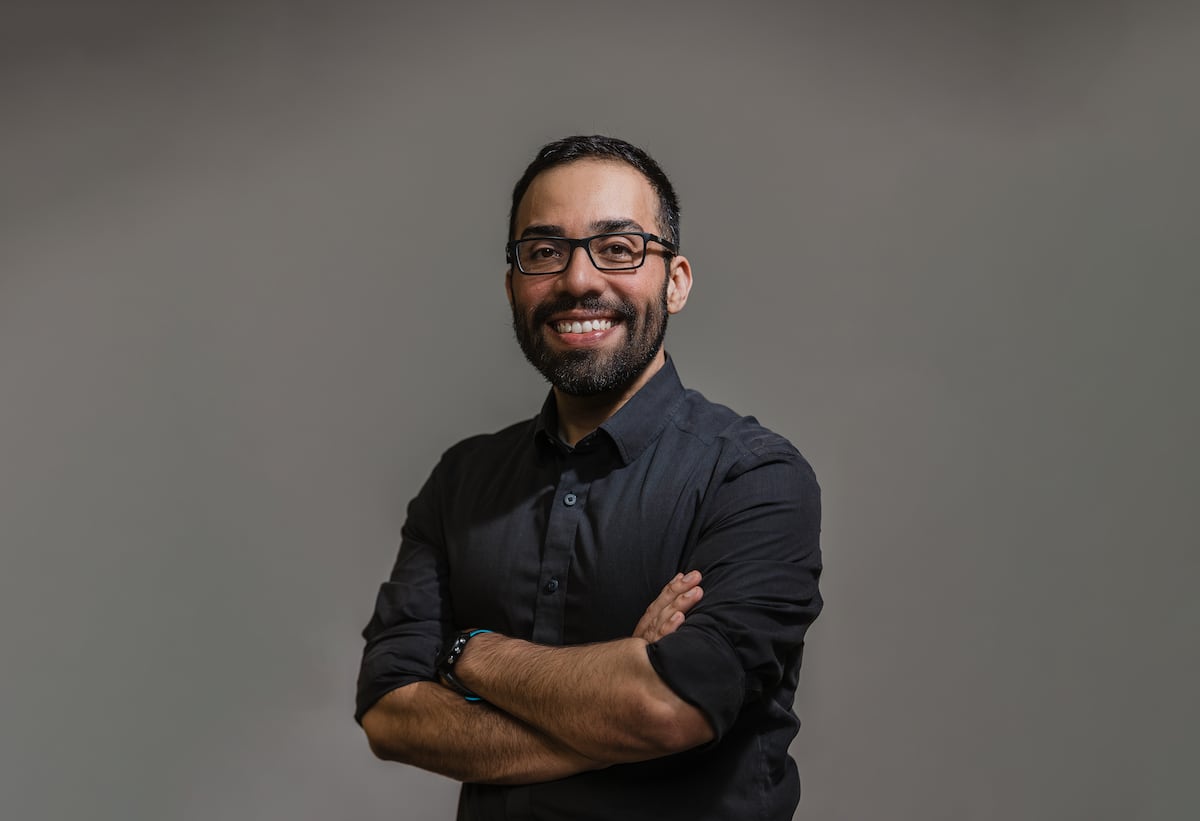
"Memory is a gift that comes with a whip. It allows us to relive the past, and our identity is built upon this capacity, but it can also bind us to traumatic memories that can haunt our lives. Without memory, moreover, it's impossible to imagine things we haven't yet experienced. Memory and imagination are two sides of the same coin, says Steve Ramirez, 37, a researcher at Boston University."
"A century ago, it was proposed that every experience leaves a measurable physical change in the brain, which was dubbed an engram. These changes occur when we learn something, and accessing these modifications is what we experience as memory. But the definition of the substance that underlies memory was ambiguous. In 2011, while working in Nobel laureate Susumu Tonegawa's lab at MIT, Ramirez and his colleague Xu Liu managed to reactivate a panic memory in a mouse"
Memory enables reliving past events and forms personal identity, but it can also trap individuals in traumatic recollections. Memory and imagination share neural substrates, with recall and future imagining activating overlapping brain areas in MRI studies. A century-old concept proposed that experiences leave physical brain changes called engrams, which store memories. In 2011 researchers in a lab at MIT labeled hippocampal neurons active during a fearful context and later reactivated them with optogenetics to evoke fear in a different environment, demonstrating causal control over a memory. Memory reconstruction makes memories malleable, raising ethical risks for technologies that alter core aspects of identity.
Read at english.elpais.com
Unable to calculate read time
Collection
[
|
...
]