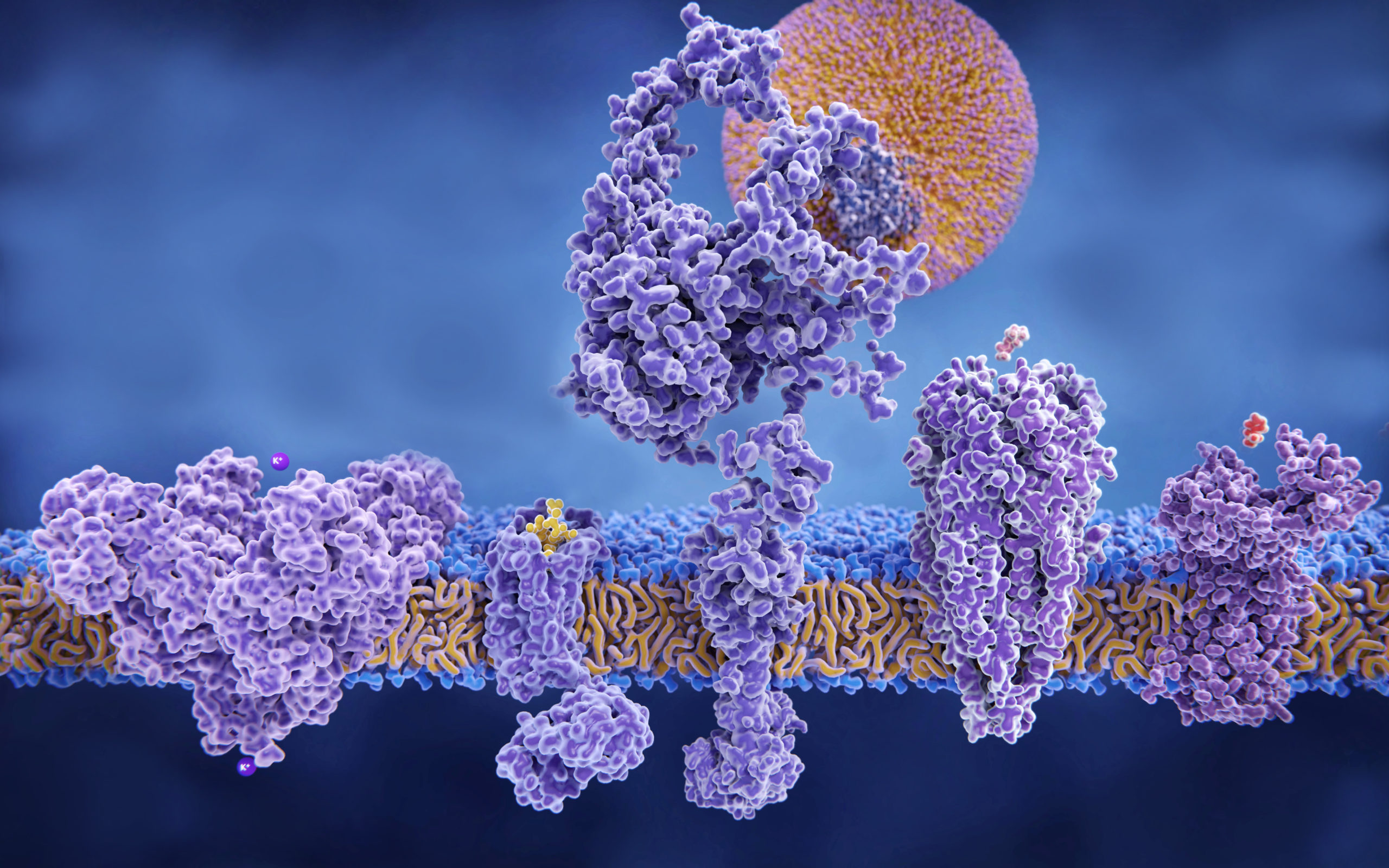
"In a new study published in Nature Communications, Northwestern University scientists uncovered the molecular trick behind PANX1's versatility. The channel dilates and constricts - just like the iris of an eye - to control the flow of chemical messages, which influence everything from brain activity to inflammation and even fertility. The findings show that PANX1 isn't a rigid channel but a shape-shifting molecular valve that can dynamically resize to accommodate both tiny particles and bulky signaling molecules."
"The investigators also found that a common, decades-old malaria drug holds the key to controlling this gate. The drug binds to a newly identified pocket within the PANX1 channel to fine-tune its opening and closing. By manipulating this mechanism, scientists could one day develop therapies that rebalance cellular communication - restoring order in conditions linked to inflammation, nerve signaling, reproductive health and more."
""PANX1 has been linked to many different diseases, including cardiovascular disease, neurological disorders, chronic pain and muscular dystrophy," said Wei Lü, PhD, who co-led the study with Juan Du, PhD. "But existing drugs that inhibit PANX1 block the main channel, shutting down all its activity including normal functioning. That causes unwanted side effects. We identified a new binding site in a side channel that gives us a basis for developing more selective drugs, which could fine-tune PANX1 rather than silencing it completely.""
Pannexin-1 (PANX1) channels dilate and constrict like an iris to control passage of cargos ranging from small ions to bulky signaling molecules. PANX1 functions as a shape-shifting molecular valve that dynamically resizes to accommodate different cargo sizes rather than acting as a rigid pore. A decades-old malaria drug binds a newly identified pocket in PANX1, enabling fine-tuning of channel opening without fully blocking main channel activity. Selective modulation via the side-pocket binding site offers potential to rebalance cellular communication implicated in brain activity, inflammation, fertility and multiple diseases while preserving normal physiological function.
Read at News Center
Unable to calculate read time
Collection
[
|
...
]