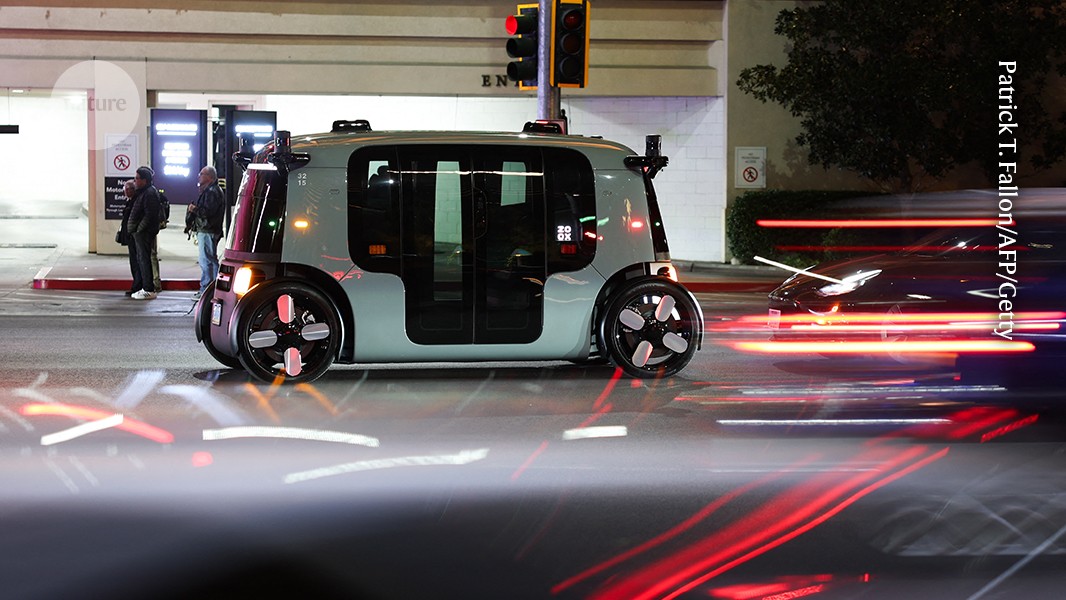
"All use sensing technologies that perceive and respond to their surroundings. There are myriad sensors for detecting electrical signals, motion, pressure, temperature, force, gradients, fingerprints, chemicals and more. Sensor technologies are embedded in our lives, playing a central part in the function of everyday items - mobile phones, smart televisions, induction hobs and smoke detectors, to name but a few. Think of a piece of technology, and there are probably one or more sensors involved."
"This is a field on the move, and now it has a new journal. Earlier this month, Nature Sensors launched with a mission to "convene the global sensing research community to advance discovery, enable real-world impacts and foster a shared scientific home for sensing research"."
Sensing technologies perceive and respond to surroundings and operate across domains from wearables and driverless cars to observatories and deep-ocean laboratories. Many sensor types detect electrical signals, motion, pressure, temperature, force, gradients, fingerprints and chemicals, among others. Sensors underpin everyday devices and advanced scientific instruments, and the global market for sensor technologies is projected to exceed US$500 billion within a decade. Increasing specialization across scientific fields contrasts with the need for cross-disciplinary integration in sensing research. A shared scientific home and greater convergence across disciplines can accelerate discovery, translation and real-world impact of sensing innovations.
Read at Nature
Unable to calculate read time
Collection
[
|
...
]