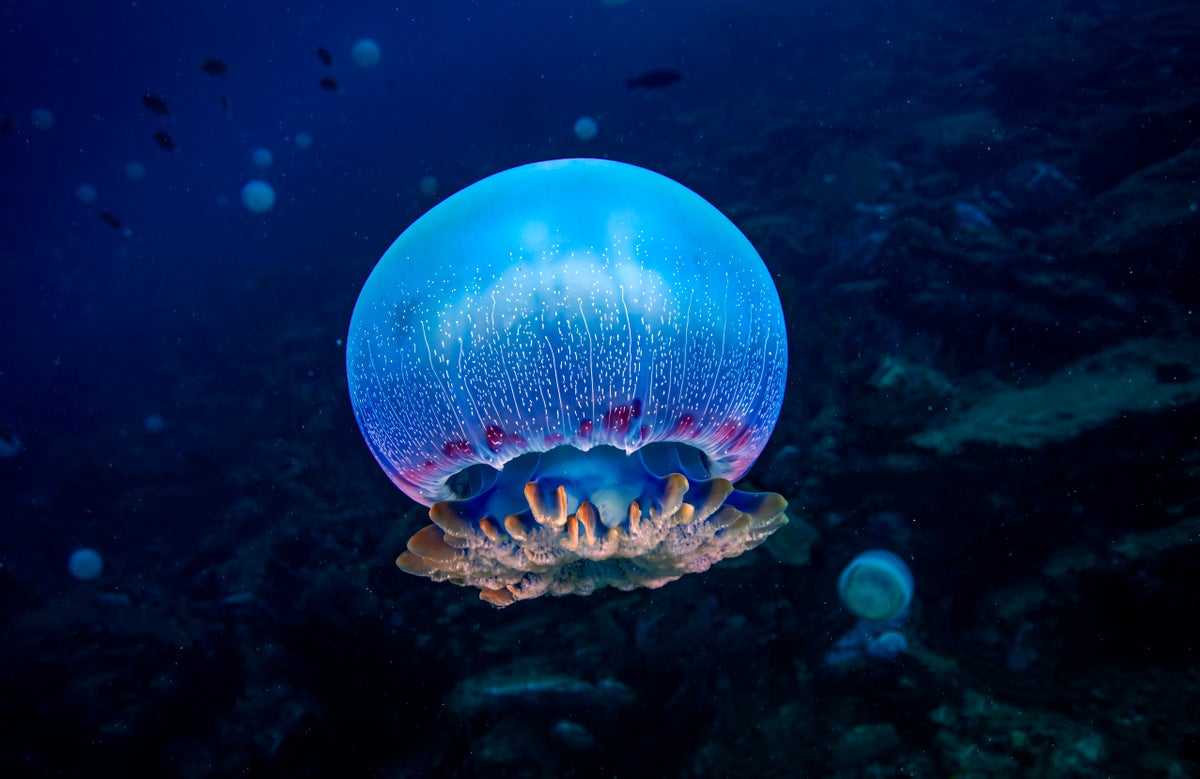
"The animals do, however, have neuronsnerve cells that appear interconnected throughout their body. And now a new study shows that how these animals sleep is surprisingly similar to humans, suggesting that sleep may have evolved before even the most primitive brains. The findings, published on Tuesday in Nature Communications, also help answer one of science's prevailing mysteries: Why do animals sleep?"
"And now a new study shows that how these animals sleep is surprisingly similar to humans, suggesting that sleep may have evolved before even the most primitive brains. The findings, published on Tuesday in Nature Communications, also help answer one of science's prevailing mysteries: Why do animals sleep? They add to past evidence from other animals and humans that sleep provides a window for maintenance on the brain and body, helping to repair DNA damage and maintain neuronal health."
"The new work shows this function of sleep has been conserved across evolution, he says, from the animals, such as primates, that have one of the most complex brains to cnidarians, such as jellyfish, which have none. Curiously, the study finds that jellyfish appear to enter a sleeplike state for around eight hours a day and generally at nighta schedule many humans might recognize."
Jellyfish and sea anemones lack centralized brains but possess neurons distributed throughout their bodies and enter sleeplike states. Neuronal activity patterns during these states mirror aspects of sleep in animals with complex brains. Sleep appears to provide a window for cellular and neuronal maintenance, including DNA repair and preservation of neuronal health. These maintenance functions of sleep are conserved across evolution, spanning primates and other complex-brained animals down to cnidarians such as jellyfish. Some jellyfish exhibit about eight hours of sleeplike behavior daily, typically at night, and sea anemones show similar sleeplike behavior.
Read at www.scientificamerican.com
Unable to calculate read time
Collection
[
|
...
]