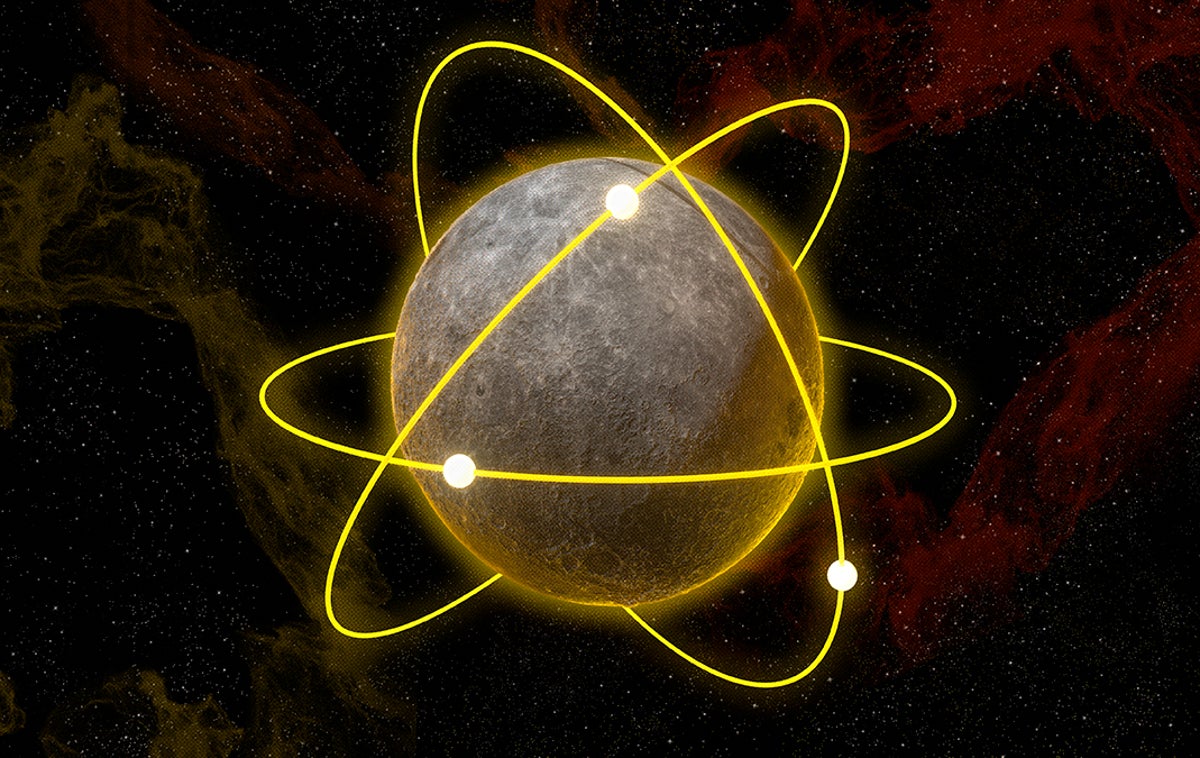
A plan to place a nuclear reactor on the Moon is framed as a national security and long-term infrastructure step. Solar power is described as insufficient for sustaining an inhabited lunar station through cold, long lunar nights. The Artemis program aims to turn the Moon into a scientific outpost, mining site, and Mars-focused launch platform, requiring reliable power. Nuclear power is described as the sole option for proper long-term operation. China and Russia are also described as planning a lunar reactor by 2035 for an International Lunar Research Station at the lunar south pole. Nuclear reactors are characterized as safer than commonly assumed, but space-based reactor deployment has a problematic history and no prior lunar reactor designs exist for extreme conditions.
"To many observers, this declaration sounded wild. Why would you want to put a nuclear reactor on the moon? The thing is, if America (or any spacefaring nation) wants to establish a permanent presence on the moon—an inhabited station that can operate during the frigid and lengthy lunar night—solar power won't cut it."
"Through its Artemis program, which just sent four astronauts on a trip around the moon, NASA wants to transform our planet's argent companion into a scientific outpost, a mining site and a rocket launchpad pointed at Mars. To do that, nuclear power is the sole option. It's the only way we can sustain a lunar base properly long-term, says Simon Middleburgh, co-director of the Nuclear Futures Institute at Bangor University in Wales."
"It's no wonder, then, that China and Russia are teaming up to put their own nuclear reactor on the moon by 2035 to electrify what they call the International Lunar Research Station—their planned base on the lunar south pole. Sooner or later, from one nation or another, nuclear power on the moon will happen, Middleburgh says. It's inevitable."
"Nuclear power plants are safer than many suspect. But putting reactors in space is a concept with a checkered history. One notorious reactor caused an international incident in 1978 after it came apart in Earth's atmosphere. And nobody has ever designed a reactor for the moon, a hostile volcanic desert subject to extreme temperature swings, frequent asteroid strikes and protracted quakes."
Read at www.scientificamerican.com
Unable to calculate read time
Collection
[
|
...
]