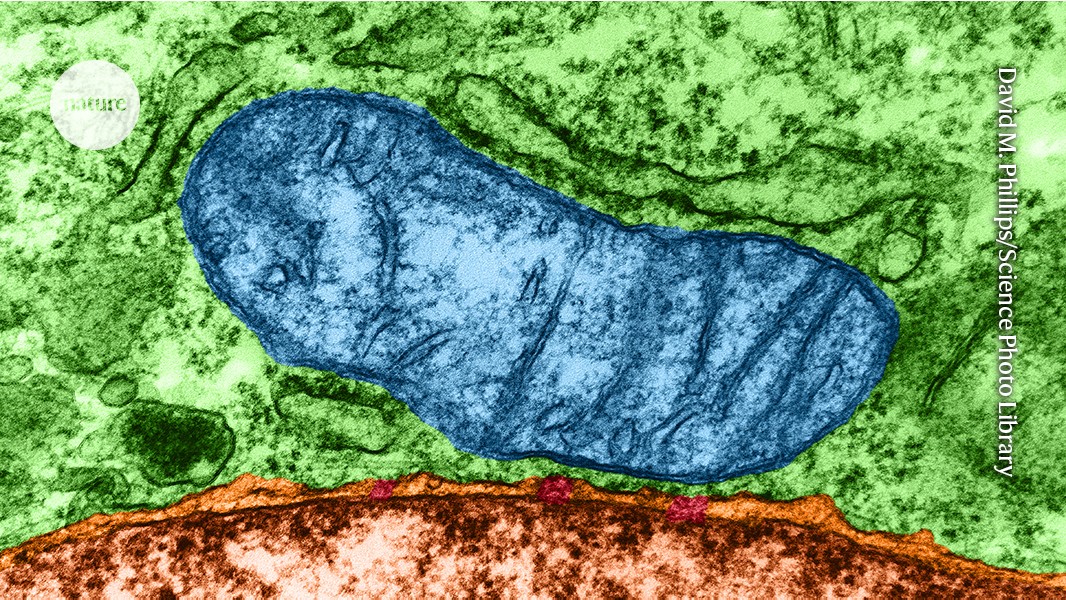
"Mitochondria are able to give rise to new organelles during infection. This discovery adds to a growing list of roles that researchers are uncovering for mitochondria in immunity, including surveilling pathogens and coordinating immune signalling."
"A protein on the outer surface of the parasite latched onto a protein on the cells' mitochondria, 'pinning' the tiny energy producers to T. gondii. These tethered mitochondria then began shedding their outer membranes, forming structures positive for outer mitochondrial membrane (SPOTs)."
Mitochondria shed their outer layers to create new organelles that digest molecular waste when a parasite invades a cell. This process aids the parasite's proliferation, although the exact mechanism remains unclear. The discovery suggests that mitochondria play a significant role in immunity and may have evolutionary links to the origin of organelles in eukaryotes. The research involved infecting human cancer cells with Toxoplasma gondii, revealing how the parasite interacts with mitochondria to facilitate its growth.
Read at Nature
Unable to calculate read time
Collection
[
|
...
]