"Back then, our understanding was heavily influenced by David Marr's 1969 theory of the cerebellar cortex, which focused on the automatic execution of physical skills rather than higher-order thought. Dad would often urge me to avoid "paralysis by analysis" by trusting my cerebellum's Purkinje cells to smooth out my swing. At the time, the little brain was relegated to movement while the "big brain," the cerebrum, was thought to handle all cerebral thinking, language, and speech."
"Recent research has dramatically expanded this outdated view of how the brain operates. What once seemed like a strict separation between motion and cognition has given way to a view in which the cerebellum participates in a broad range of non-motor functions, including superfluid thinking and complex language processing. A new study (Casto et al., 2026) published in Neuron identifies and maps language-responsive regions of the human cerebellum with unprecedented precision."
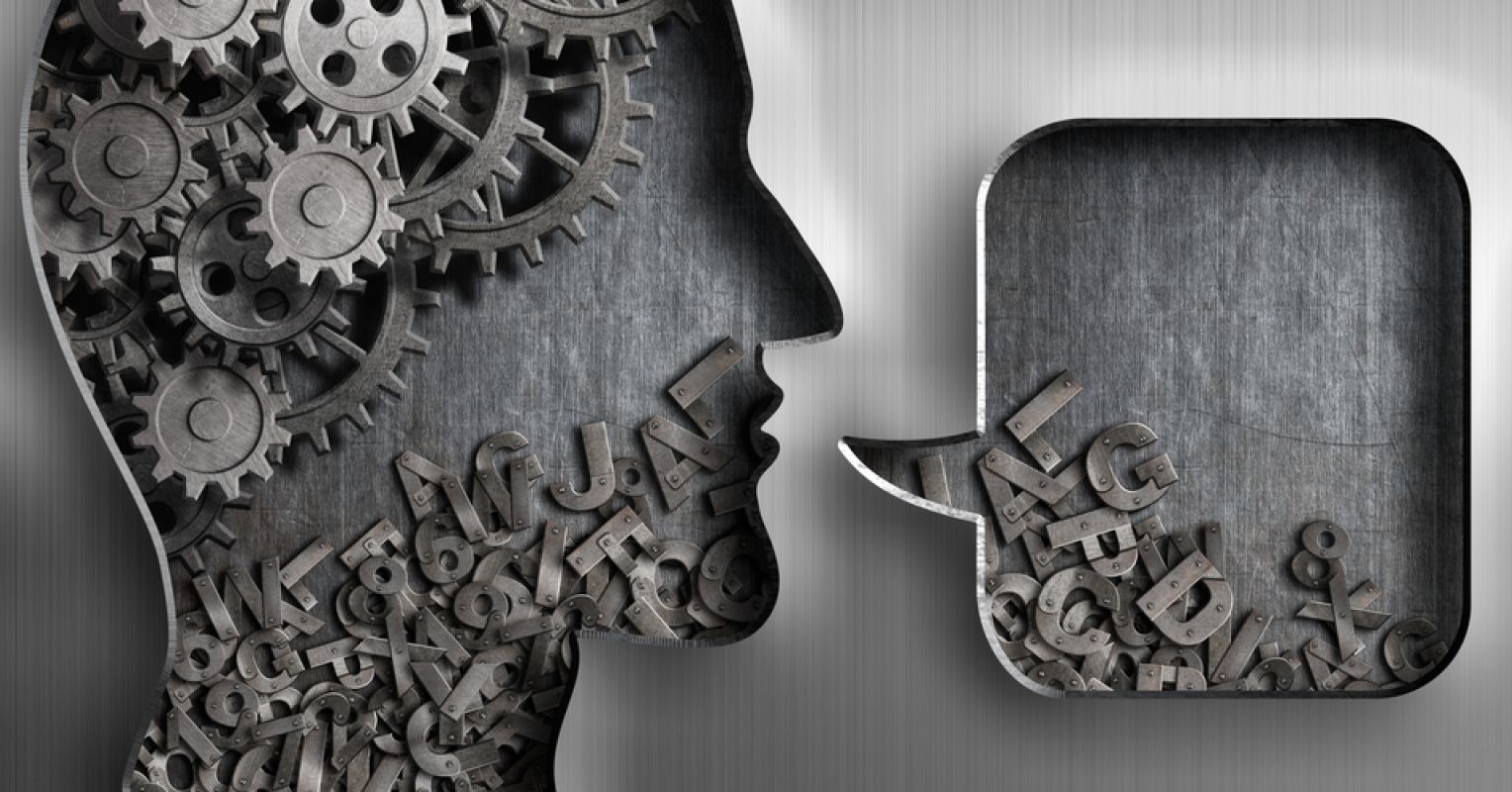
The cerebellum contributes to language as well as motor control, supporting fluid word production analogous to smooth physical performance. Large-scale functional MRI mapping identifies four cerebellar regions consistently engaged during language tasks. A specific right posterior region spanning Crus I, Crus II, and lobule VIIb is tightly connected with left-hemisphere language centers. Language fluency and physical coordination rely on similar neural mechanisms centered on timing, sequencing, and error correction. Clear communication depends on coordinated activity across all four cerebral and cerebellar hemispheres. These insights suggest new directions for diagnosing and treating speech disorders and supporting recovery after brain injury.
Read at Psychology Today
Unable to calculate read time
Collection
[
|
...
]