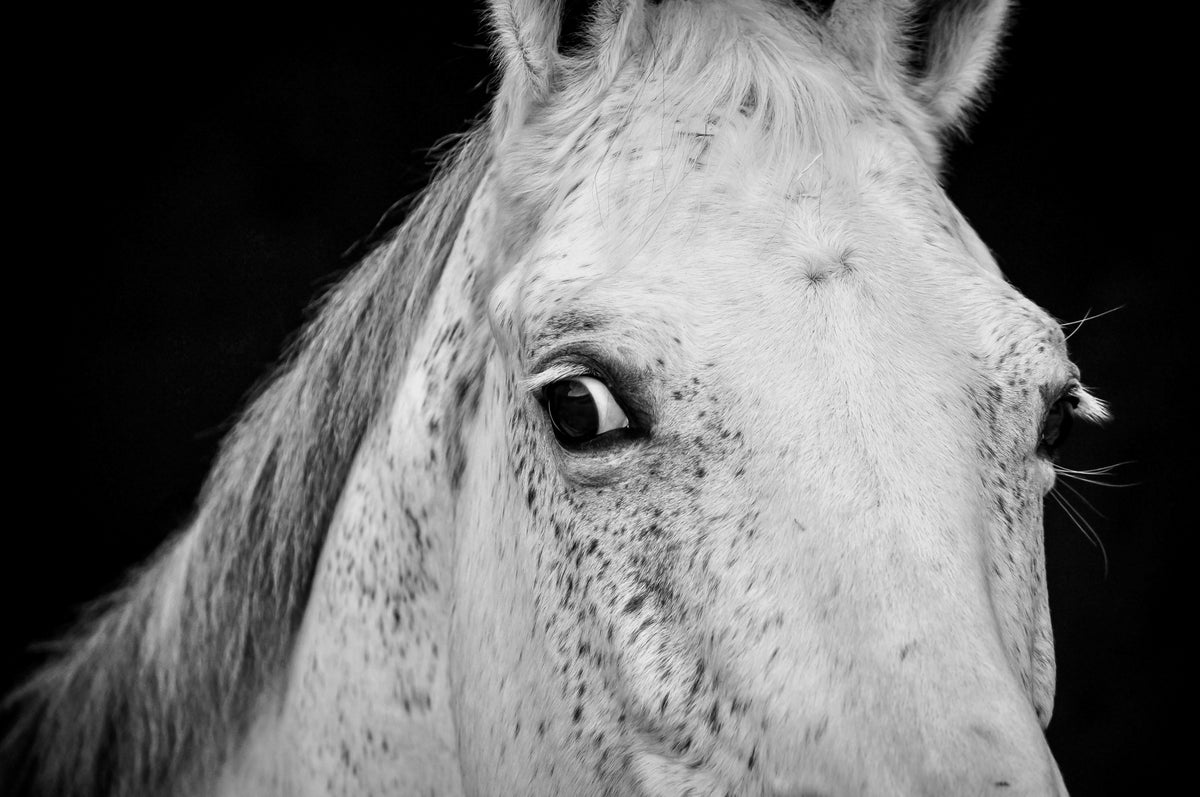
Horses exposed to sweat from humans who experienced fear displayed stronger fear behaviors: increased startle responses, hesitation to approach people, and reduced interaction with novel objects. Experimenters collected sweat after joy- and fear-inducing film clips and presented those samples to horses in a custom muzzle. Observers compared horse reactions to fear versus joy samples to isolate olfactory emotional cues. Prior evidence showed horses respond to facial expressions and vocal tones; olfaction provides an additional channel for emotional communication. Managing human emotional state during interactions may influence horse cooperation during training or exercises.
"Horses can smell human fearand it changes their behavior. That's the takeaway of a rather unusual experiment that involved making horses smell material soaked in human sweat and observing what they did next. The findings were published today in PLOS One. Horses exposed to samples of sweat from people who had had a scary experience appeared more afraid themselves: the animals were easily startled, hesitated to come up to the researchers and became less likely to interact with unknown objects."
"Our emotions are central when interacting with horses, says Plotine Jardat, lead author of the study and a horse behavior and welfare researcher at France's National Research Institute for Agriculture, Food and Environment. If your horse does not cooperate on an exercise you are proposing, maybe trying it another day when you feel differently can be a game changer."
"Researchers already knew that horses can respond to humans' emotional cues, including facial expressions and tones of voice. But the new study went further by investigating whether horses could smell different emotions emanating from humans without those visual or oral cues. In the experiment, a group of people with cotton pads under their armpits watched movie clips geared to produce a sense of joy; these included the dance scene in the film Singin' in the Rain and the song We Go Together from the movie Grease."
Read at www.scientificamerican.com
Unable to calculate read time
Collection
[
|
...
]