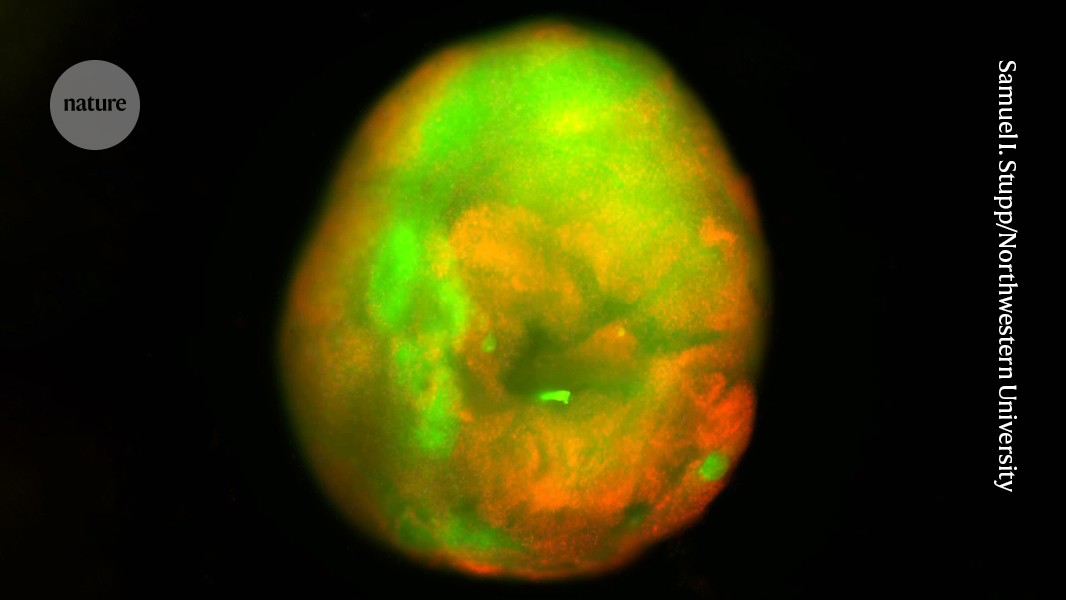
Complex three-dimensional organoids recreate aspects of human spinal-cord structure and function in miniature. These organoids can be deliberately injured and then observed as they heal under controlled laboratory conditions. Laboratory injury–repair experiments on organoids allow direct testing and comparison of candidate therapeutic approaches for spinal-cord damage that causes paralysis. Use of organoids provides a human-relevant platform for screening treatments while reducing dependence on animal models. Organoid-based testing can accelerate identification of promising therapies and improve experimental control over injury mechanisms and treatment variables.
"Complex 3D structures of cells called organoids could be used to test treatments for spinal-cord damage that can lead to paralysis."
"Tiny living replicas of the human spinal cord that can be injured and healed in the laboratory offer a fresh way to investigate therapies for paralysis - minimizing animal testing."
Read at Nature
Unable to calculate read time
Collection
[
|
...
]