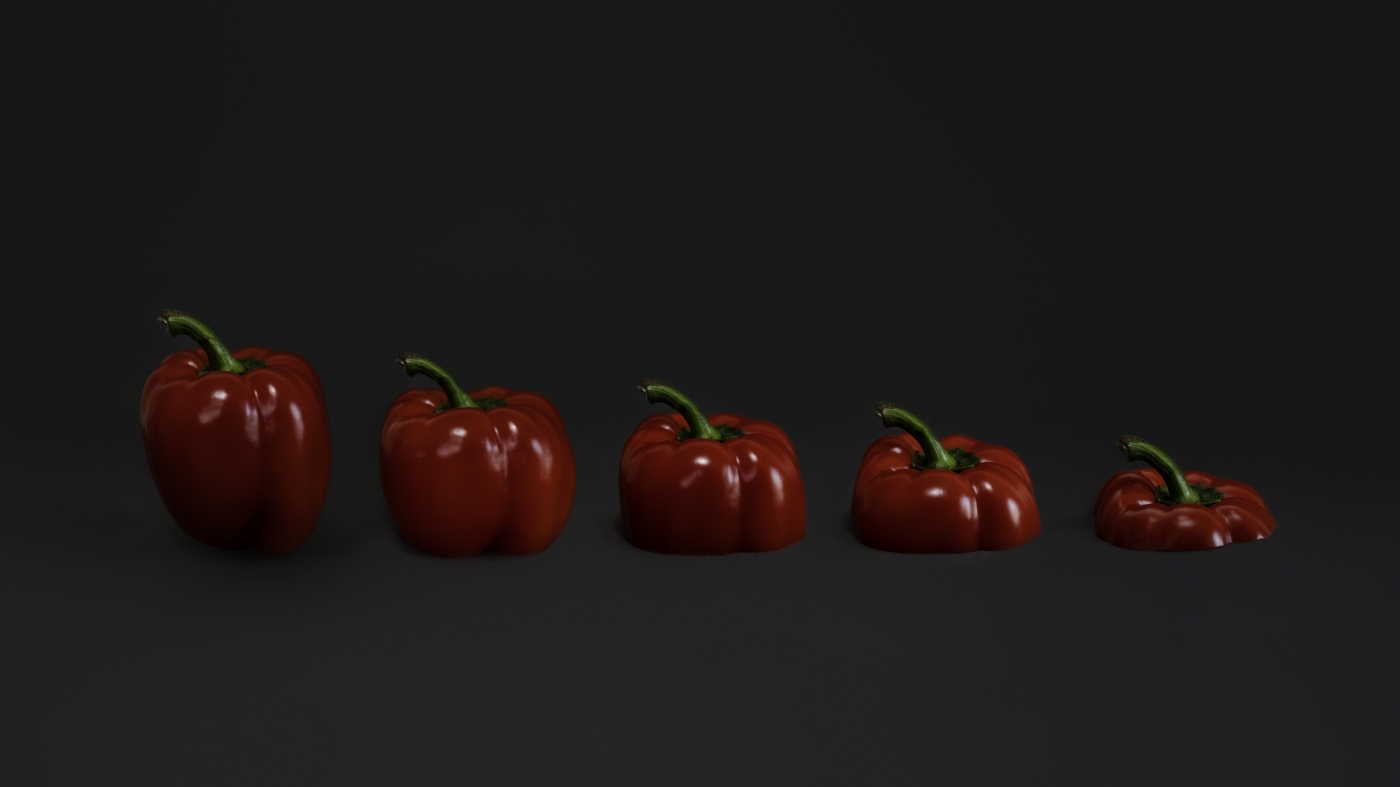
"If you are feeling dispirited at work or burned out by the general pressure of life, there is a perfect word for you: "involution." The Mandarin Chinese word for "involution" neijuan is now a ubiquitous slang term. It has struck a chord with students exhausted by relentless academic competition, parents overwhelmed by social expectations and workers constantly filling overtime shifts."
""Involution" first appeared in English with its modern connotation of futility in a 1963 academic tract by American anthropologist Clifford Geertz on Dutch colonial society in Indonesia. He had observed people working harder than ever on the land but yielding less and less food. The term then bounced around niche academic circles. Scholar Philip Huang used it in a seminal study trying to explain why capitalism did not organically develop in the 20th century."
"Then the term appeared in a study of tax collectors in early 20th-century China. Prasenjit Duara, now a professor at Duke University, had noticed that these tax collectors were actually not that good at forcing peasants to pay up. "This suggested to me that there was this involution, administrative involution," he says. Duara's resulting book, Culture, Power, and the State, was later translated into Chinese. But how to translate "involution"? Book translators came up with the phrase neijuan, combining the Mandarin words for "inner" (nei) and "to curl" or "to roll" (juan), invoking this idea of cycling endlessly"
Neijuan, translated as "involution," names a pattern of intensifying effort that yields diminishing returns. The English term emerged in 1963 to describe harder work producing less food in Dutch colonial Indonesia. Subsequent academic uses applied the concept to stalled economic development and bureaucratic inefficiencies, including studies of tax administration in early-20th-century China. Translators rendered the term into Mandarin by combining nei ("inner") and juan ("to curl" or "to roll"), suggesting inward, cyclical intensification. The coronavirus pandemic in early 2020 accelerated the term's spread from scholarship into popular slang describing competition and burnout.
Read at www.npr.org
Unable to calculate read time
Collection
[
|
...
]