"Watching the Winter Olympics is an adrenaline rush as athletes fly down snow-covered ski slopes, luge tracks and over the ice at breakneck speeds and with grace. When the first Olympic Winter Games were held in Chamonix, France, in 1924, all 16 events took place outdoors. The athletes relied on natural snow for ski runs and freezing temperatures for ice rinks."
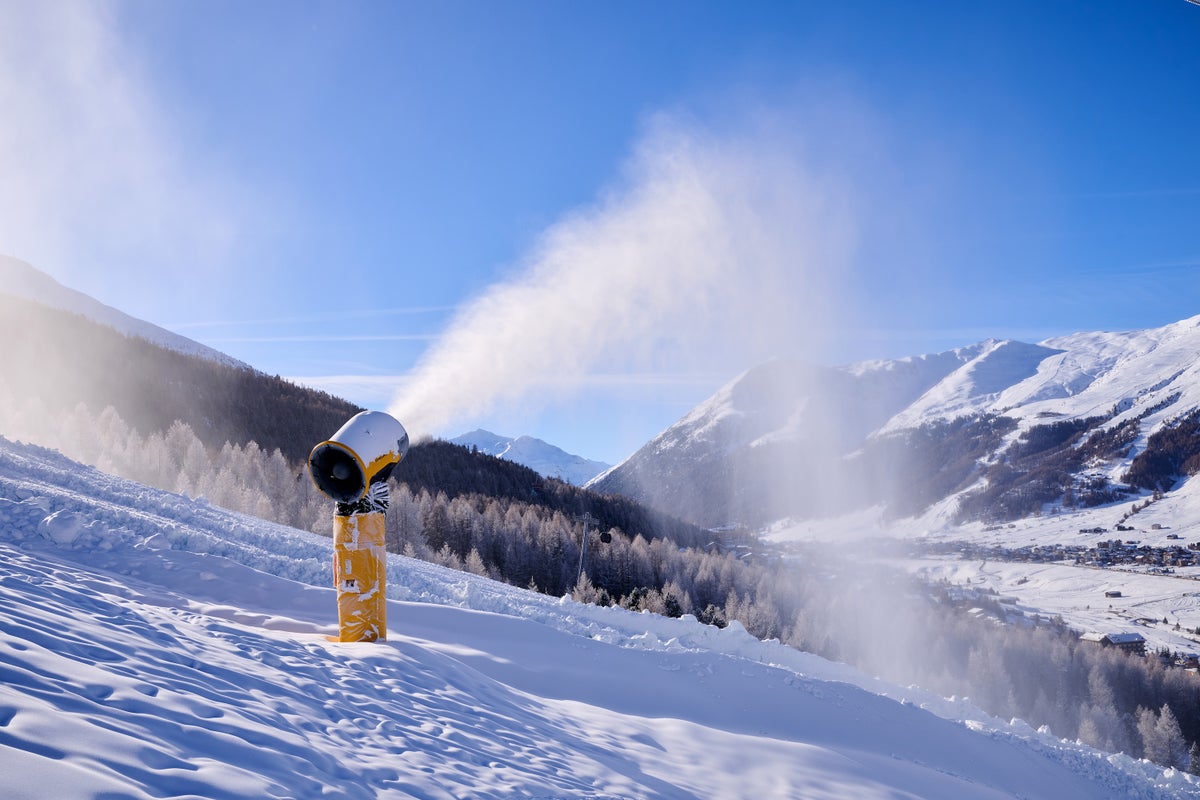
"Luge tracks and ski jumps have their own refrigeration, and four of the original events are now held indoors: figure skaters, speed skaters, curlers and hockey teams all compete in climate-controlled buildings. Innovation made the 2022 Winter Games possible in Beijing. Ahead of the 2026 Winter Olympics in northern Italy, where snowfall was below average for the start of the season, officials had large lakes built near major venues to provide enough water for snowmaking."
Winter Olympic events originally depended on natural snow and freezing outdoor temperatures. Technological innovations now enable 100% human-made snow, refrigerated luge tracks and indoor, climate-controlled arenas for skating and hockey. Organizers have constructed water reservoirs to support snowmaking where natural snowfall is insufficient. Average February daytime temperatures at past host cities have risen from about 33°F (0.4°C) in earlier decades to around 46°F (7.8°C) in the early 21st century. Scientists examining past host venues project that several former sites may become too warm for reliable natural snow and ice by midcentury without extensive technological support.
Read at theconversation.com
Unable to calculate read time
Collection
[
|
...
]