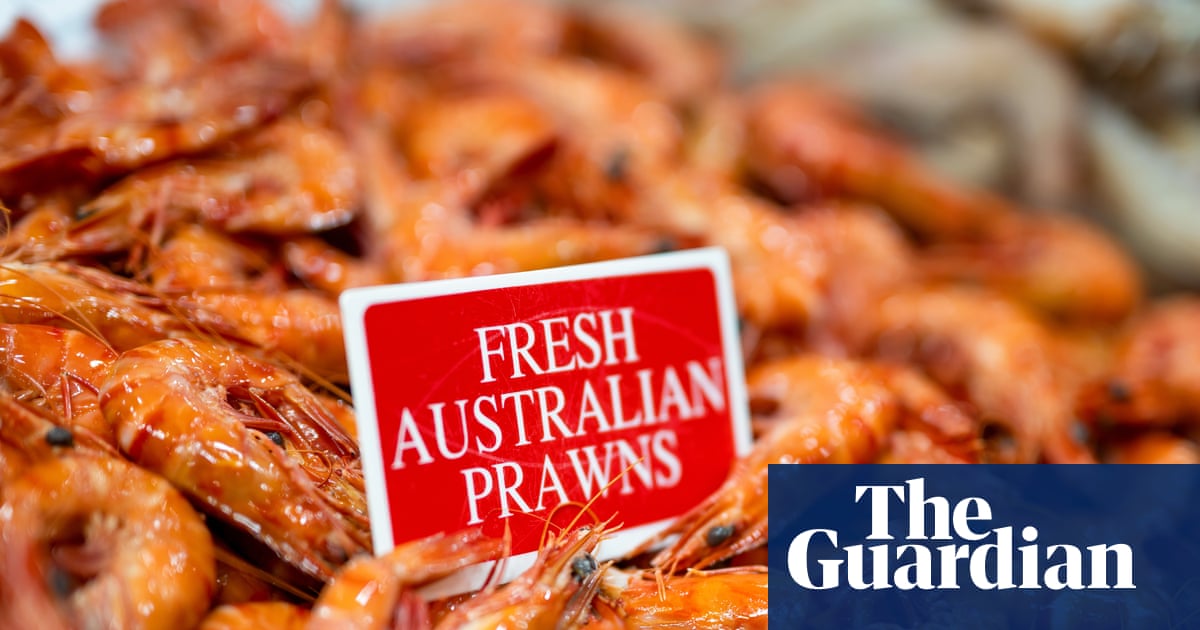
Crustaceans are widely consumed globally, with Australians eating millions of kilograms of prawns and hundreds of thousands of lobsters each festive season. Scientists present evidence that many crustaceans are sentient and can experience fear, pain and distress. Decapod crustaceans exhibit capacities for positive and negative experiences, relationship formation, learning, memory and decision-making. Examples include pistol shrimp and goby fish mutualism, and crabs solving mazes and adapting via trial and error. Crustaceans encompass over 67,000 species, from tiny shrimp to large Japanese spider crabs, and decapods include prawns, shrimp, lobsters, crayfish, bugs and yabbies.
"Prof Lynne Sneddon, who leads the aquatic animal welfare group at Sweden's University of Gothenburg, says sentience implies an animal has the capacity for positive and negative experiences, the ability to form relationships, learn new skills and make good decisions. There are examples of decapod crustaceans doing all those things, she says. Take the pistol shrimp, a small snapping crustacean with lopsided claws which shares its burrow with a goby fish."
"Studies also show crustaceans can learn, remember and solve problems, even though the physical structure of their nervous system is totally different to ours. Crabs can solve mazes to find food, they will remember the way, and when the maze is rejigged will adapt using trial and error. Do they feel pain?' Crustaceans are a diverse group, encompassing more than 67,000 species from the tiniest shrimp to Japanese spider crabs the size of a small car."
Read at www.theguardian.com
Unable to calculate read time
Collection
[
|
...
]