"When we leave the confines of our home planet and enter the microgravity environment of space, our brain and body change. Studies have shown how microgravity can affect astronauts: it can throw off their balance, blur their vision, change the shape of their heart and nudge the position of their brain inside their skull."
"Understanding these changes is critical for the future of human space exploration. It's so important to interact with our environment, says Philippe Lefevre, senior author of the new study and a professor of biomedical engineering at the Catholic University of Louvain in Belgium."
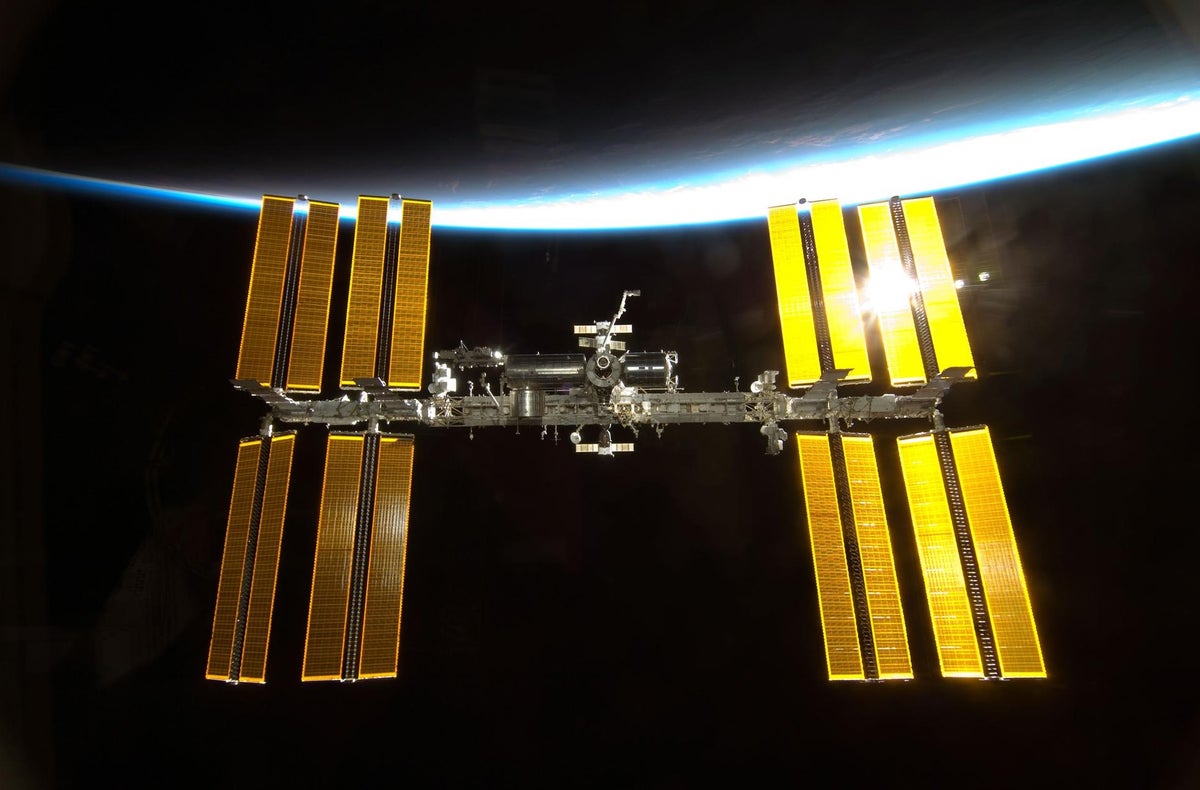
"The new research involved 11 astronauts who lived onboard the International Space Station for at least five months. While on the station, they performed a series of experiments that tested how their rhythm and grip changed while they manipulated objects in zero g."
"Lefevre and his colleagues found that astronauts tended to move slower in weightlessness and to grip an object more firmly than they would on Earth, as if the object was heavier than they knew it to be."
Microgravity significantly impacts astronauts' physical and cognitive functions. Studies reveal changes in balance, vision, heart shape, and brain positioning. A recent study indicates that motor skills are also affected, with astronauts moving slower and gripping objects more firmly in weightlessness. Understanding these adaptations is crucial for future human space exploration, as the consequences of losing grip on objects in space can be severe. The research involved 11 astronauts on the International Space Station, who participated in experiments assessing their motor skills in a zero-gravity environment.
Read at www.scientificamerican.com
Unable to calculate read time
Collection
[
|
...
]