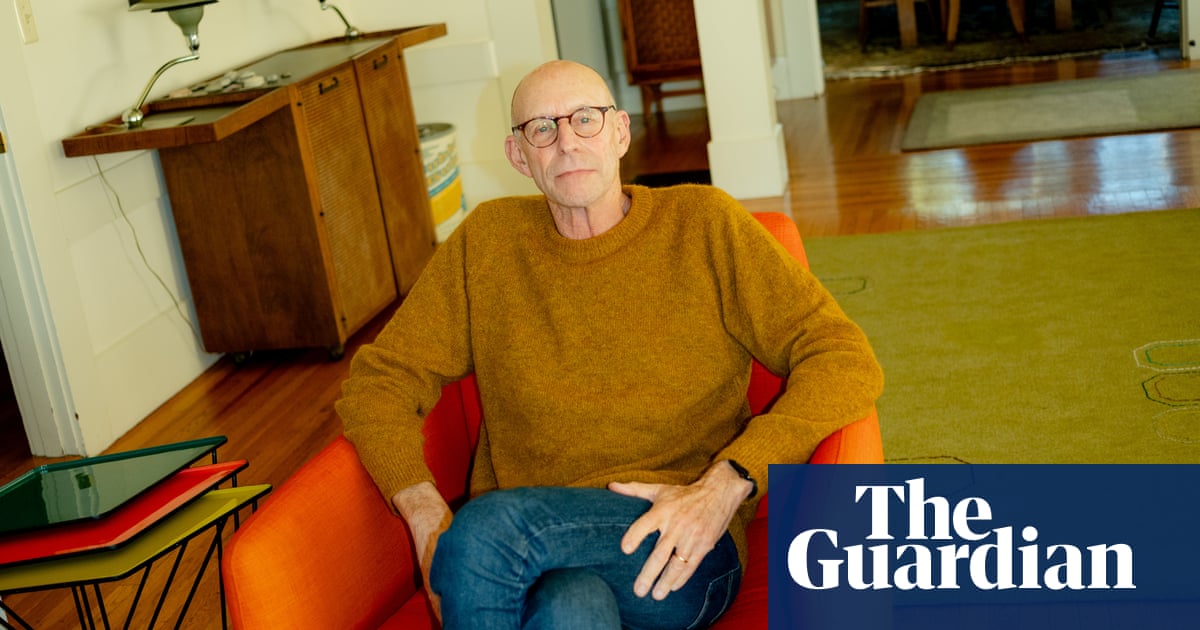
"The quote appears as merely a footnote in Michael Pollan's new book, A World Appears, a fabulous and mind-expanding exploration of consciousness: how and why we are self-aware. But the whole thing can be read as a lucid and impassioned riposte to Sherrington's conception of the mind as a machine. In Pollan's view, we have become imprisoned by such narratives, which have obscured the richness and complexity of human and non-human consciousness."
"Pollan's curiosity was piqued after he took magic mushrooms and began to view the plants around him as sentient. It seemed obvious that not only were these plants cognisant of their environment, but they also had preferences, agency, and a viewpoint of their own, he writes. Obvious perhaps for an author on psilocybin, but it turns out there are many scientists who would agree with his conclusion. They call themselves plant neurobiologists."
Machine metaphors have long constrained thinking about brains and minds, shifting from clocks to looms to computers. Such narratives present the mind as mechanistic and obscure the richness and complexity of human and non-human consciousness. Psychedelic experiences can produce perceptions of plant sentience, agency, and viewpoint. A growing field identifies that plants can learn, form memories, predict environmental changes, send and receive signals, and alter behaviour according to context. Integrating neuroscientific research, philosophy and literature supports adopting broader frameworks for thinking about consciousness and recognizing diverse forms of cognition across living systems.
Read at www.theguardian.com
Unable to calculate read time
Collection
[
|
...
]