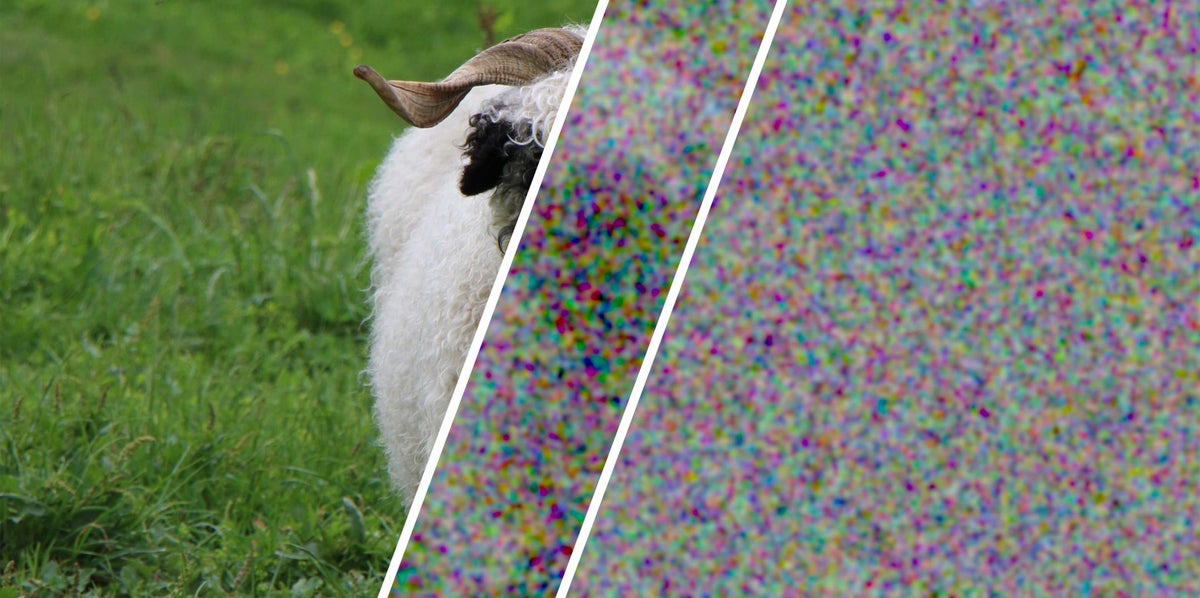
Secure global information flow depends on unpredictability. Modern encryption uses randomness to prevent attackers from predicting keys or passwords. Conventional electronic devices are deterministic, so their random number generators can contain subtle imperfections that create detectable patterns. Even powerful computers can be limited by traditional transistor-based binary operations. A quantum computer could recognize obscure patterns and crack encryption. Qubits differ from binary bits because they can exist in an infinite range of states and only collapse into a single state when measured. A new system aims to amplify randomness by leveraging qubit behavior to make generated values harder to predict.
"Random number generators have been around for years, but they often have subtle imperfections that cause patterns to emerge. And even powerful computers are saddled with this liability purely because they use traditional transistors to generate the binary code1's and 0'sthat enables computers to store data and make calculations. While these numbers may seem random at first glance, a quantum computer would be able to recognize even the most obscure patterns and thus crack the code."
"Any conventional electronic device like a phone or a computer is completely deterministic, so it's actually very difficult for a computer or any other electronic device to generate a random value. It cannot just toss a coin because everything that goes on in the scale of the logic is basically completely predictable. While these numbers may seem random at first glance, a quantum computer would be able to recognize even the most obscure patterns and thus crack the code."
"Unpredictability is very important because that's what the adversary would do to attack itto just try to predict parts of that password or even the full password or parts of the key, Renner says. That's where the new system comes in."
"Qubits, the basic components of information in a quantum computer, don't exist in a binary. Instead qubits have an infinite number of states in which they can exist and only collapse into a single state when"
Read at www.scientificamerican.com
Unable to calculate read time
Collection
[
|
...
]