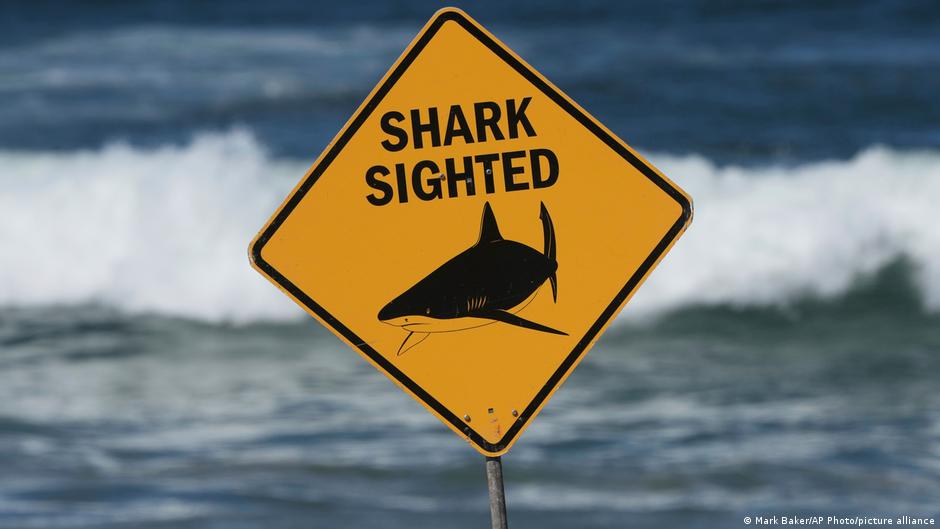
A 39-year-old man died after being attacked by a shark at Kennedy Shoal in Queensland, Australia. Police said the man was pulled from the water at the shallow reef about 45 kilometers from shore and 160 kilometers south of Cairns. Emergency services were called to Hull River Heads boat ramp just before 12:00 p.m. The man was retrieved from the water and rushed to shore, where he was met by an ambulance. Queensland Ambulance reported that he died at the boat ramp shortly after retrieval. The incident was the second shark attack in Australia that month, following a May 16 bite near Perth. Around 20 shark attacks occur annually, most not fatal, while drowning deaths are more common. Recent increases may relate to changing migratory patterns, crowded waters, and warming oceans, with murky conditions after heavy rainfall reducing visibility.
"A 39-year-old died after he was pulled from the water at Kennedy Shoal, a shallow reef some 45 kilometers (28 miles) from the shore and160 kilometers south of the popular tourist city of Cairns. Emergency services were called to Hull River Heads boat ramp just before 12:00 p.m., police said in a statement. The Queensland Ambulance added that the injured man died at the boat ramp. "The man was retrieved from the water and died from his injuries," police said."
"This is the second shark attack in Australia this month. On May 16, a 38-year-old was bitten off an island near Perth in the west. Around 20 shark attacks occur in Australia every year, but most of them are not fatal, according to conservation groups. Death by drowning on the country's beaches is far more common. In January, dozens of beaches were closed along the east coast, including Sydney, after four shark attacks took place in the span of two days."
"The attacks coincided with heavy rainfall which created murky water that attracts sharks and reduces their visibility. Australia has seen a recent rise in shark attacks that scientists believe could be caused by a change in the animals' migratory patterns amid increasingly crowded waters and warming oceans."
Read at www.dw.com
Unable to calculate read time
Collection
[
|
...
]