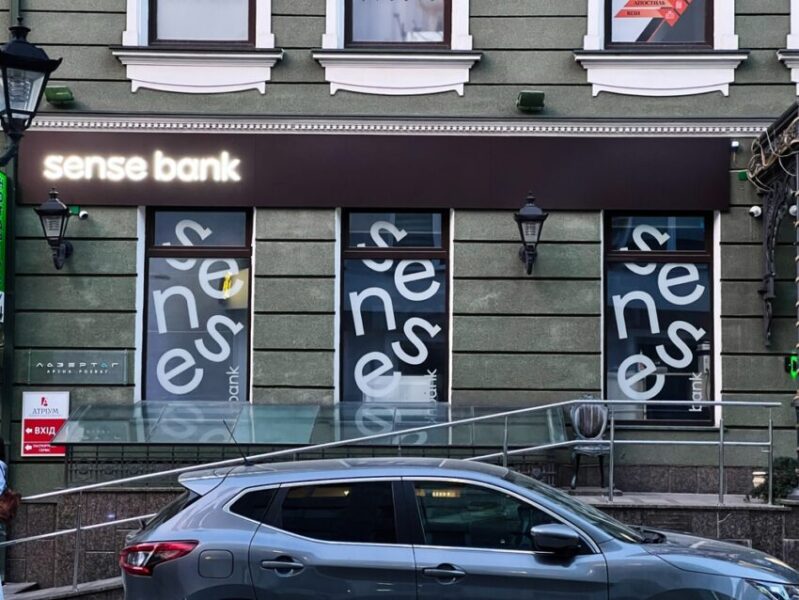
"The nationalisation of Sense Bank in 2023 was intended to serve as an example of how, in a wartime context, the state is capable of taking control of a systemically important financial asset swiftly, in a legally sound manner and with institutional accountability. However, just two years later, another question has arisen regarding the bank: has nationalisation shifted from being a tool for financial stability to a mechanism for certain individuals to bolster their political influence for their own interests, exert control over personnel appointments, and undermine corporate governance standards?"
"One of the key figures in this debate is Vladyslav Vlasiuk-a member of the Supervisory Board of Sense Bank and an adviser to the President of Ukraine on sanctions policy. He was appointed to the Supervisory Board of Sense Bank on 22 July 2023 - effectively at the very moment the bank was transferred into state ownership. It is known that Vlasiuk has served as a non-staff adviser to the Office of the President since May 2022, and on 16 August 2024 he was appointed the President's adviser and commissioner for sanctions policy."
"This in itself does not constitute evidence of a breach of the law. However, for a state-owned bank-especially one that is due to be sold-it is not just a matter of formally complying with procedures. An impeccable reputation is essential. The supervisory board of a state-owned bank should act as an institutional safeguard against political influence from both the state and from private individuals, rather than serving as a conduit through which extraneous private interests might infiltrate the management of the financial institution."
Sense Bank was nationalised in 2023 to show that, during wartime, the state could take control of a systemically important financial asset quickly, legally, and with institutional accountability. Two years later, questions emerged about whether nationalisation has shifted from financial stability to a tool for individuals to increase political influence, control personnel appointments, and weaken corporate governance standards. Vladyslav Vlasiuk, a member of the Supervisory Board and adviser on sanctions policy, was appointed to the board on 22 July 2023, around the time the bank became state-owned. He had been an adviser to the Office of the President since May 2022 and later became adviser and commissioner for sanctions policy. Formal compliance alone is not enough for a state-owned bank, especially one intended for sale, because the supervisory board should protect against political influence and extraneous private interests.
#bank-nationalisation #corporate-governance #political-influence #supervisory-board #wartime-financial-stability
Read at Business Matters
Unable to calculate read time
Collection
[
|
...
]