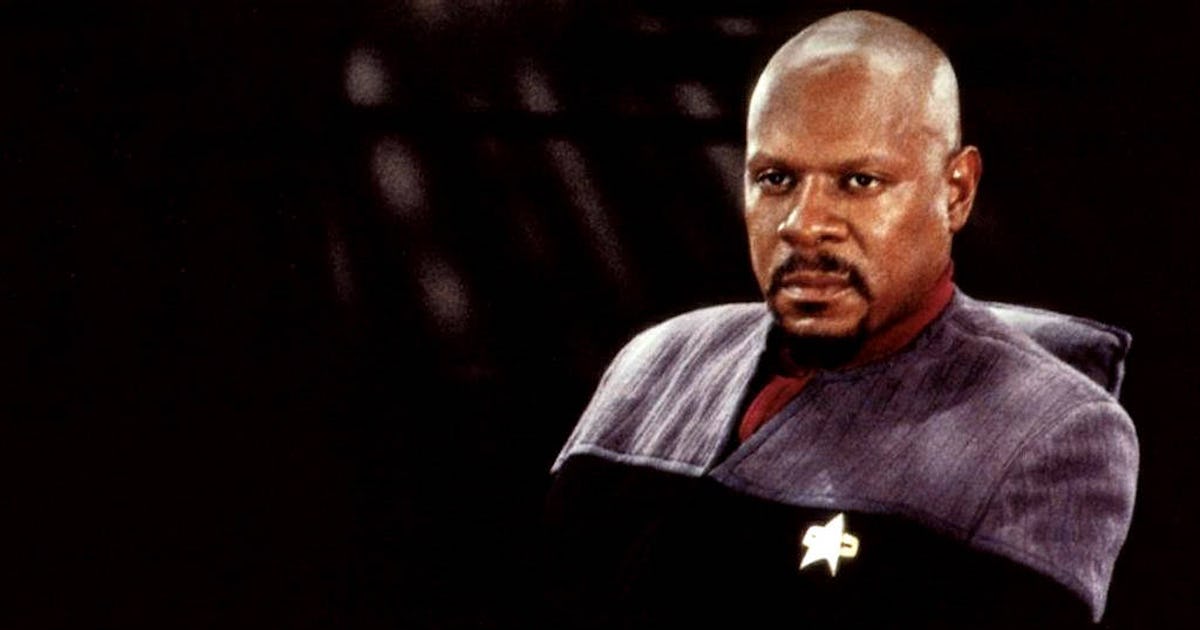
"In Star Trek: The Original Series, the USS Enterprise never returned to Earth. In The Next Generation, Picard's Enterprise-D visited every once in a while, and when debuted, the basic premise put the crew on the fringes of the Federation. But in a two-part thriller that aired 30 years ago, on January 1 and January 8, 1996, Deep Space Nine took a trip back to idealistic 24th-century Earth, where even paradise could turn into a snakepit."
"With "Homefront" and "Paradise Lost," DS9 tackled paranoia, authoritarianism, and military overreach. These episodes also continued to challenge how the Trek audience regarded Starfleet. In peacetime, Starfleet had time to sit around and discuss its problems. But what about during a brewing interstellar conflict? Season 4 was a turning point for Deep Space Nine. Worf (Michael Dorn) joined the cast, bringing some recent Next Generation nostalgia to the series."
Deep Space Nine's two-part episodes 'Homefront' and 'Paradise Lost' return the series to 24th-century Earth and confront paranoia, authoritarianism, and military overreach. Sisko and Odo are recalled to Earth after a diplomatic conference bombing, serving as security consultants to Admiral Leyton. The storyline questions whether an idealized Federation can withstand fear-driven policies and examines Starfleet's role during a brewing interstellar conflict. Season 4 adds Worf to the cast and foregrounds the Changeling infiltration threat that prompts fear across governments. Bringing DS9's gritty style to Earth critiques the Federation itself, pushing franchise boundaries.
#deep-space-nine #homefrontparadise-lost #authoritarianism--paranoia #starfleet #changeling-infiltration
Read at Inverse
Unable to calculate read time
Collection
[
|
...
]