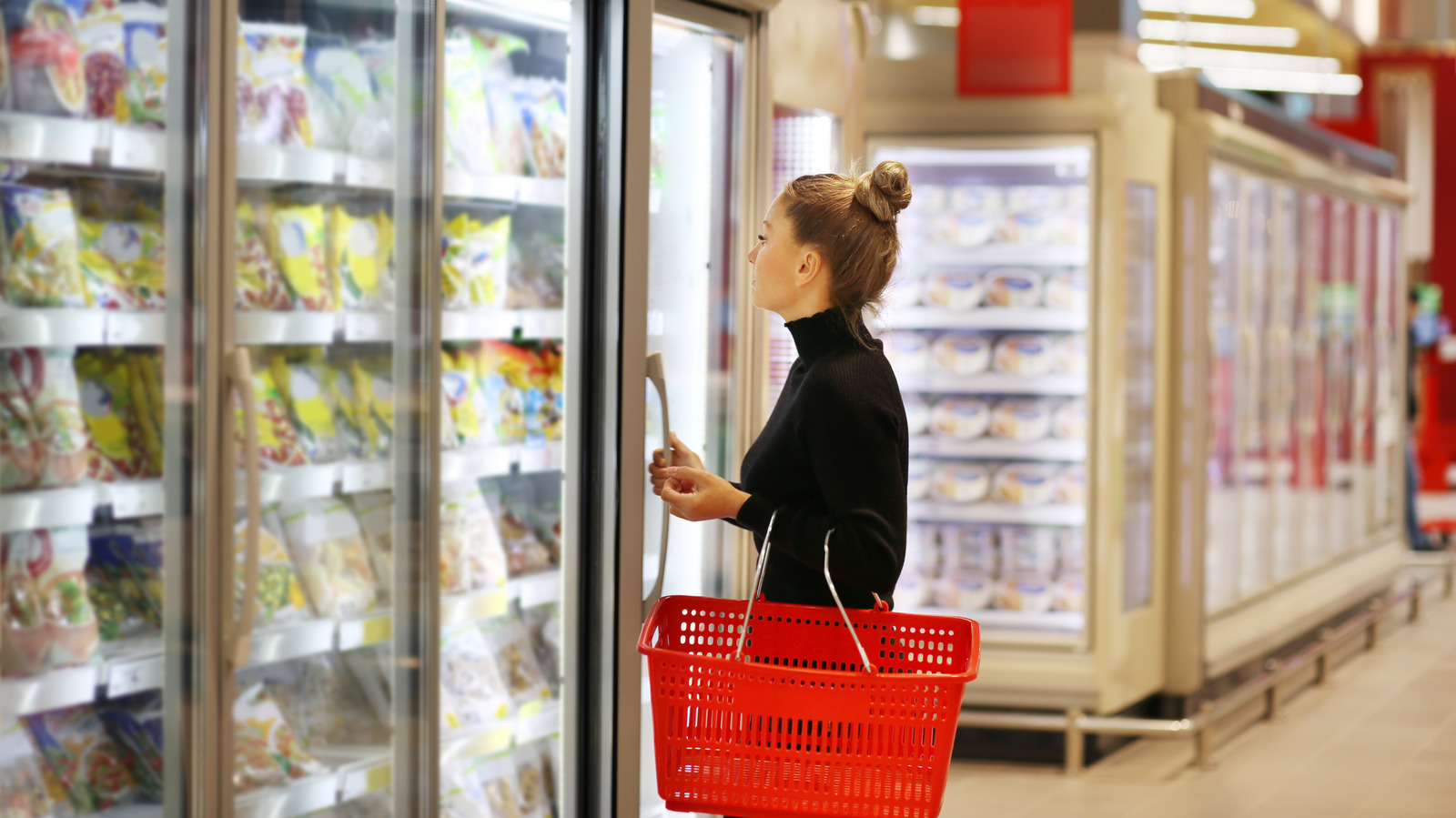
"Frozen produce is picked at the peak of freshness - which also translates to the peak of its nutritional value - and is frozen in that state until you're ready to prepare it at home. Of course, not all frozen foods are created equal, and while single-ingredient frozen items (think frozen fruits and vegetables) are at the top of the list in terms of both affordability and quality, other frozen food options like prepared meals can help you save both time and money."
"Frozen foods are often less expensive than their fresh or canned alternatives living elsewhere in the store. Given all this, incorporating frozen foods in your at-home meal planning is a no-brainer. Just be sure to avoid these mistakes everyone makes with frozen food and you'll wonder why you didn't jump on the frozen food bandwagon sooner."
"Starting from a purely cost-comparison standpoint, frozen single ingredients usually come out cheaper than their fresh counterparts. A bag of fresh green beans at Walmart, for example, rings up at $2.47 for 12 ounces, where as a 12-ounce bag of Great Value's Frozen Cut Green Beans is just 98 cents."
Frozen foods represent an underutilized opportunity for grocery savings and nutritional quality. Frozen produce is harvested at peak freshness and immediately frozen, preserving maximum nutritional value until consumption. Single-ingredient frozen items like fruits and vegetables offer the best combination of affordability and quality. While prepared frozen meals can save time and money, consumers should scrutinize packaging for high sodium content and complex ingredient lists. Frozen options consistently cost less than fresh counterparts—for example, frozen green beans cost significantly less than fresh varieties. Incorporating frozen foods into meal planning provides substantial budget relief without compromising nutritional intake or food quality.
Read at Tasting Table
Unable to calculate read time
Collection
[
|
...
]